2026.10.13
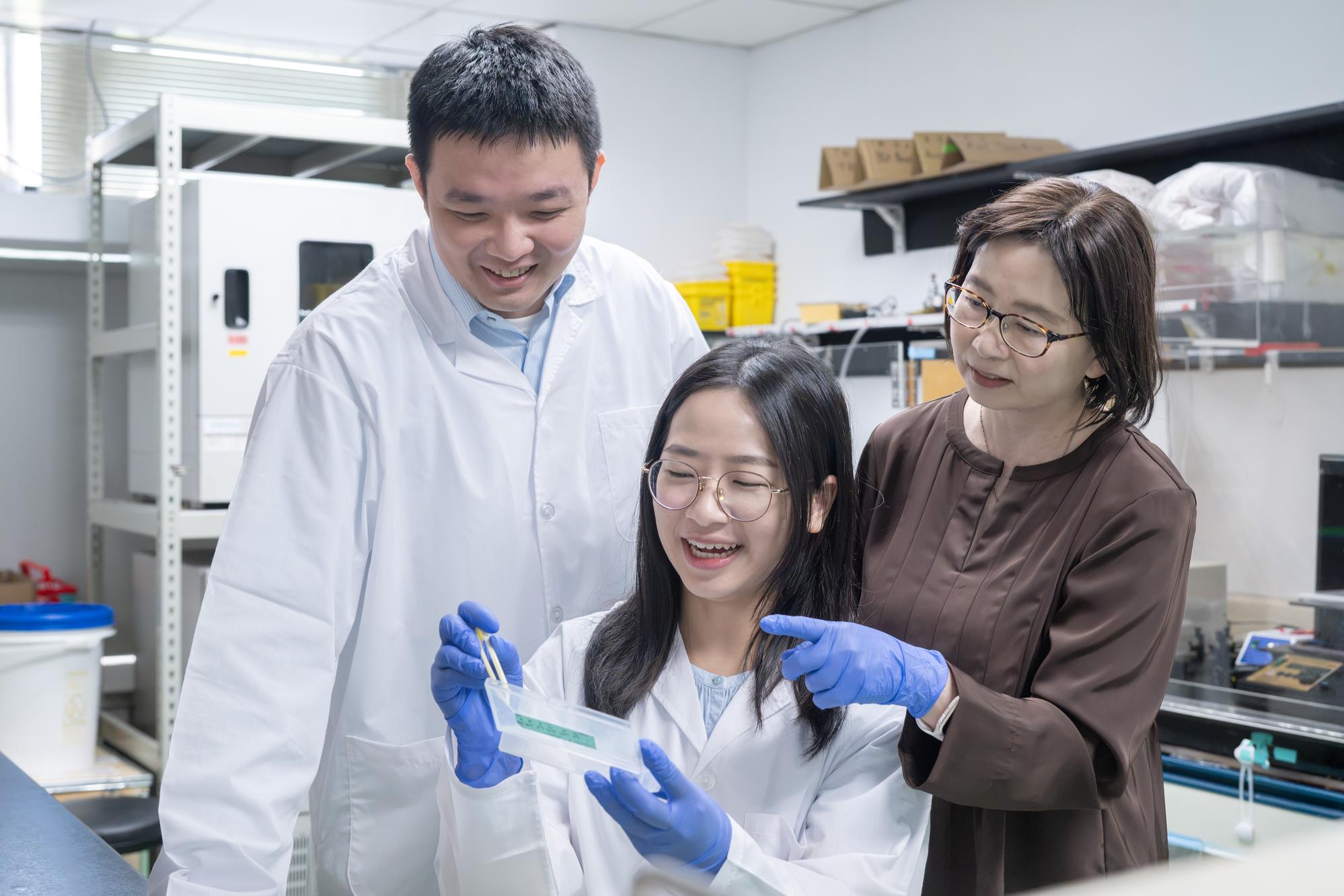
Professor Linyi Chen (陳令儀) (right), doctoral student Yi Wang (王翊) (left) and doctoral student Wen-Ling Liao (廖彣玲) (center) of NTHU's Institute of Molecular Medicine identified two pathways through which isorhoifolin promotes neural repair after brain injury.
Each year, an estimated 70 million people worldwide sustain a traumatic brain injury (TBI), yet no approved drug directly promotes neurite regrowth and functional recovery after such injuries. A research team led by Professor Linyi Chen (陳令儀) of the Institute of Molecular Medicine at National Tsing Hua University (NTHU) in Taiwan has found that isorhoifolin, a plant-derived compound, promotes neurite regrowth and reduces oxidative stress by acting on neurons and astrocytes through two distinct pathways. Published in Phytomedicine, the preclinical findings point to a potential new direction for TBI drug development.
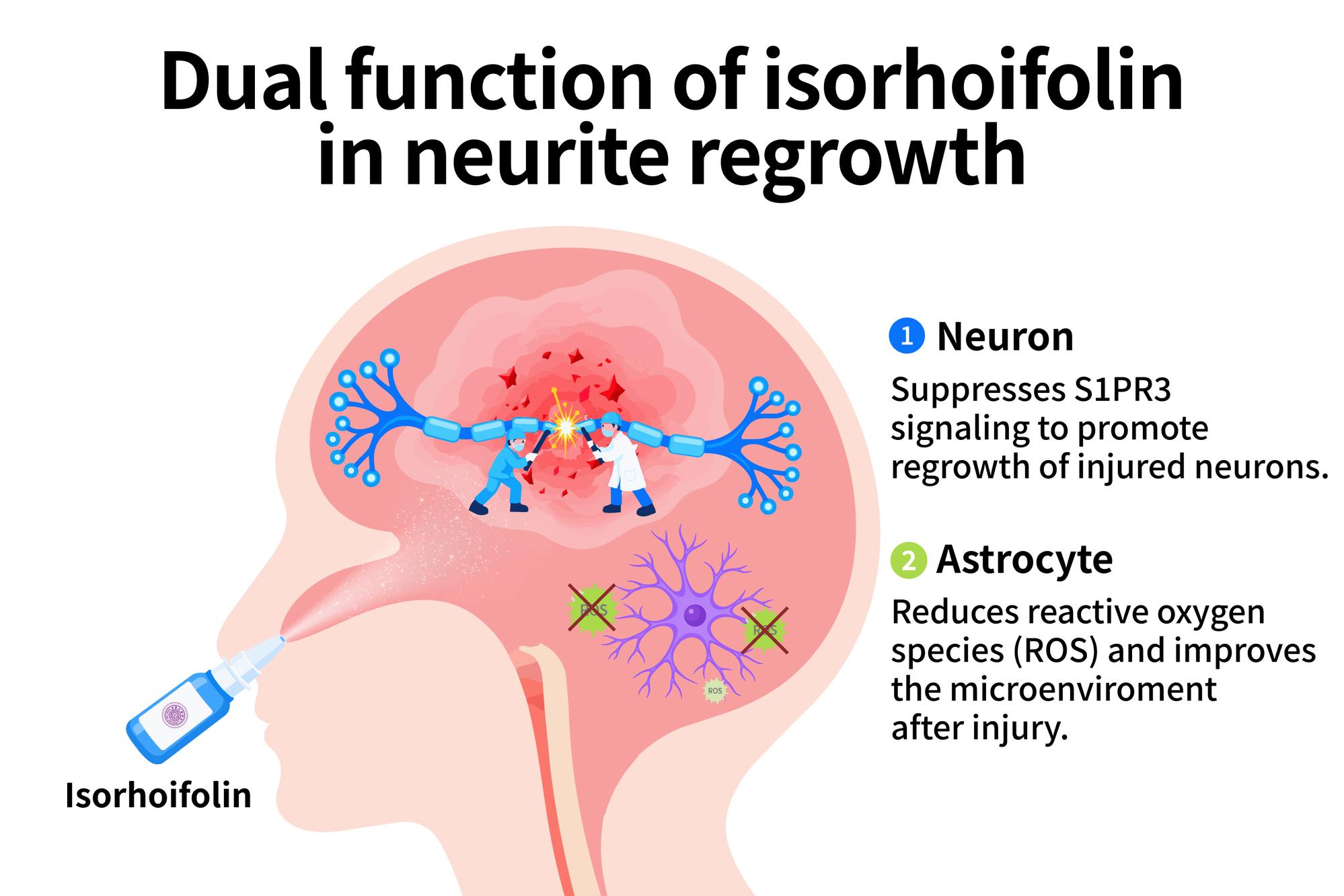
The research spanned more than eight years, from screening plant extracts to identifying the compound's mechanisms of action. The team found that isorhoifolin acts through two distinct pathways. In neurons, it inhibits the S1PR3–CK2–GSK3β signaling axis, promoting the regrowth of injured neurites. In astrocytes, it targets the enzyme N-ribosyldihydronicotinamide:quinone reductase 2 (NQO2), reducing cytosolic and mitochondrial reactive oxygen species (ROS) and creating an environment more favorable for neural repair.
Yi Wang (王翊), the paper's first author and a doctoral student at NTHU's Institute of Molecular Medicine, compared brain injury to a damaged road network. Repairing it, Wang explained, involves rebuilding broken connections so neurites can regrow, while also clearing obstacles such as free radicals that contribute to oxidative stress. The team tested the compound in cultured neurons, brain tissue slices and mice. The results showed that isorhoifolin promoted the regrowth of injured neurites and improved motor coordination in mice with TBI. Brain tissue analysis also revealed greater repair in the injured areas of treated mice.
Chen said the team already had enough evidence of isorhoifolin's neural repair effects to publish its findings, but chose to investigate further. "We had to identify exactly which proteins bind directly to isorhoifolin," she explained. The researchers ultimately confirmed S1PR3 and NQO2 as direct molecular targets. Chen said the findings could provide a foundation for future studies of other conditions involving neural injury and neuroinflammation, including stroke and brain fog associated with COVID-19.
To identify compounds that could promote neural repair, the team screened more than 2,000 extracts derived from nearly 900 plants at the Dr. Cecilia Koo Botanic Conservation Center (KBCC). The researchers identified an active extract from Monstera epipremnoides and subsequently isolated isorhoifolin as one of its active compounds. KBCC Executive Director Chia-Wei Li (李家維) described the collaboration as producing the center's best research results to date from its plant-based compound library.
After isolating isorhoifolin and determining its chemical structure, the team turned to total chemical synthesis, eliminating the need to continually harvest plant material. Wang said that, in collaboration with NTHU's Department of Chemistry, the researchers can now produce the compound in gram-scale quantities. They are also synthesizing structural analogs to compare their pharmacological activity, laying the groundwork for further optimization and drug development.
The researchers detected isorhoifolin in mouse brain tissue as early as 15 minutes after intranasal administration. Chen noted that this noninvasive method could offer a convenient delivery option. If future safety studies and clinical trials are successful, the team could explore a nasal spray that patients with mild injuries might administer themselves, as well as intravenous administration for more severe cases.
NTHU has secured patent protection in Taiwan for the use of isorhoifolin and its derivatives to promote the repair of injured neurons. Wang noted that advancing toward clinical trials will require larger-scale drug manufacturing and toxicology testing. The team is now laying the groundwork for future clinical trials and plans to request a pre-Investigational New Drug (pre-IND) meeting with the U.S. Food and Drug Administration (FDA).
The study was the result of longstanding interdisciplinary collaboration involving the Dr. Cecilia Koo Botanic Conservation Center, the National Health Research Institutes, Cathay General Hospital, Kaohsiung Medical University and the National Research Institute of Chinese Medicine. Assistant Professor Cheng-Ta Hsieh (謝政達) of NTHU's School of Medicine also participated in the research.
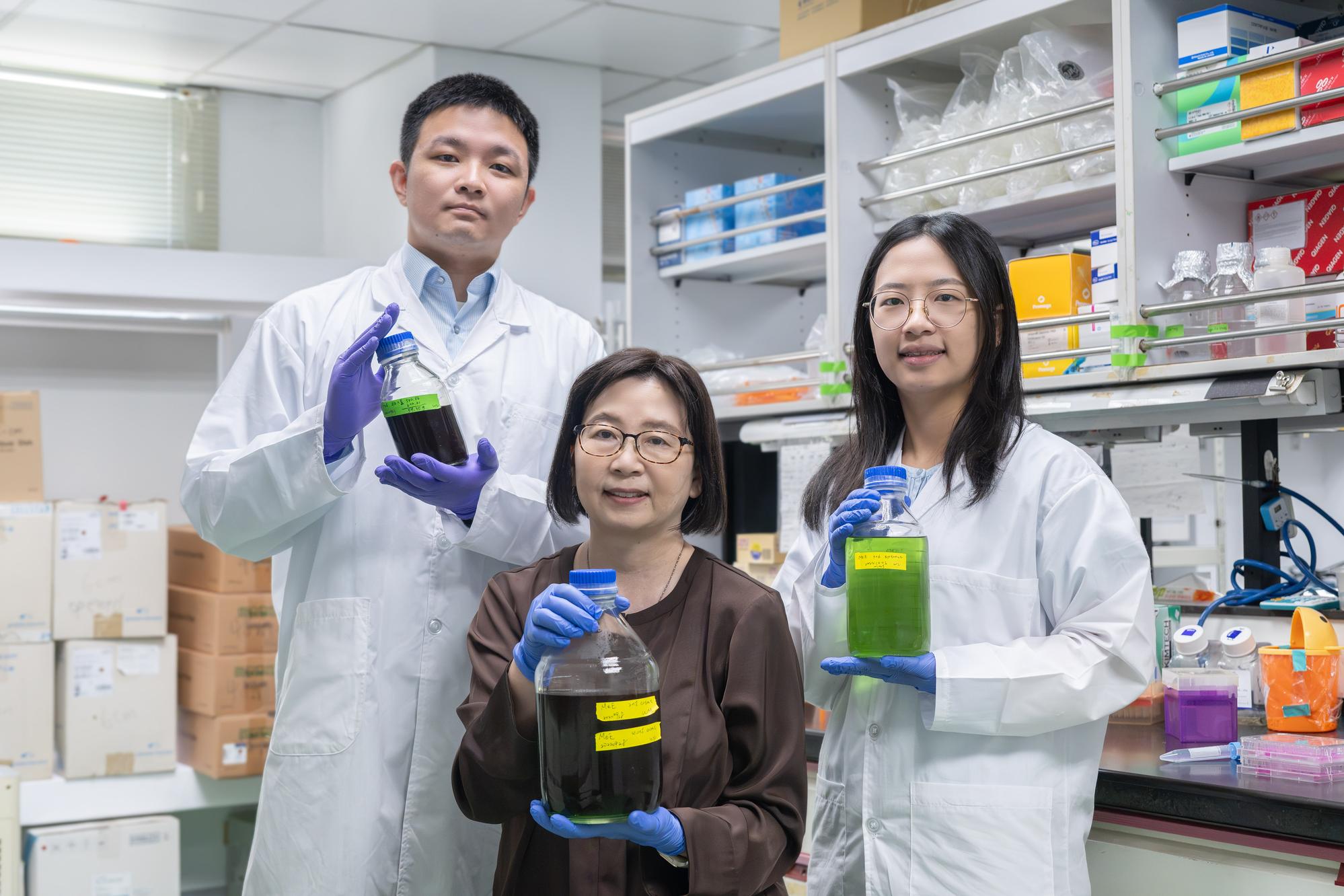
Professor Linyi Chen (center) and doctoral students Yi Wang (left) and Wen-Ling Liao (right) hold samples of an extract from Monstera epipremnoides leaves.
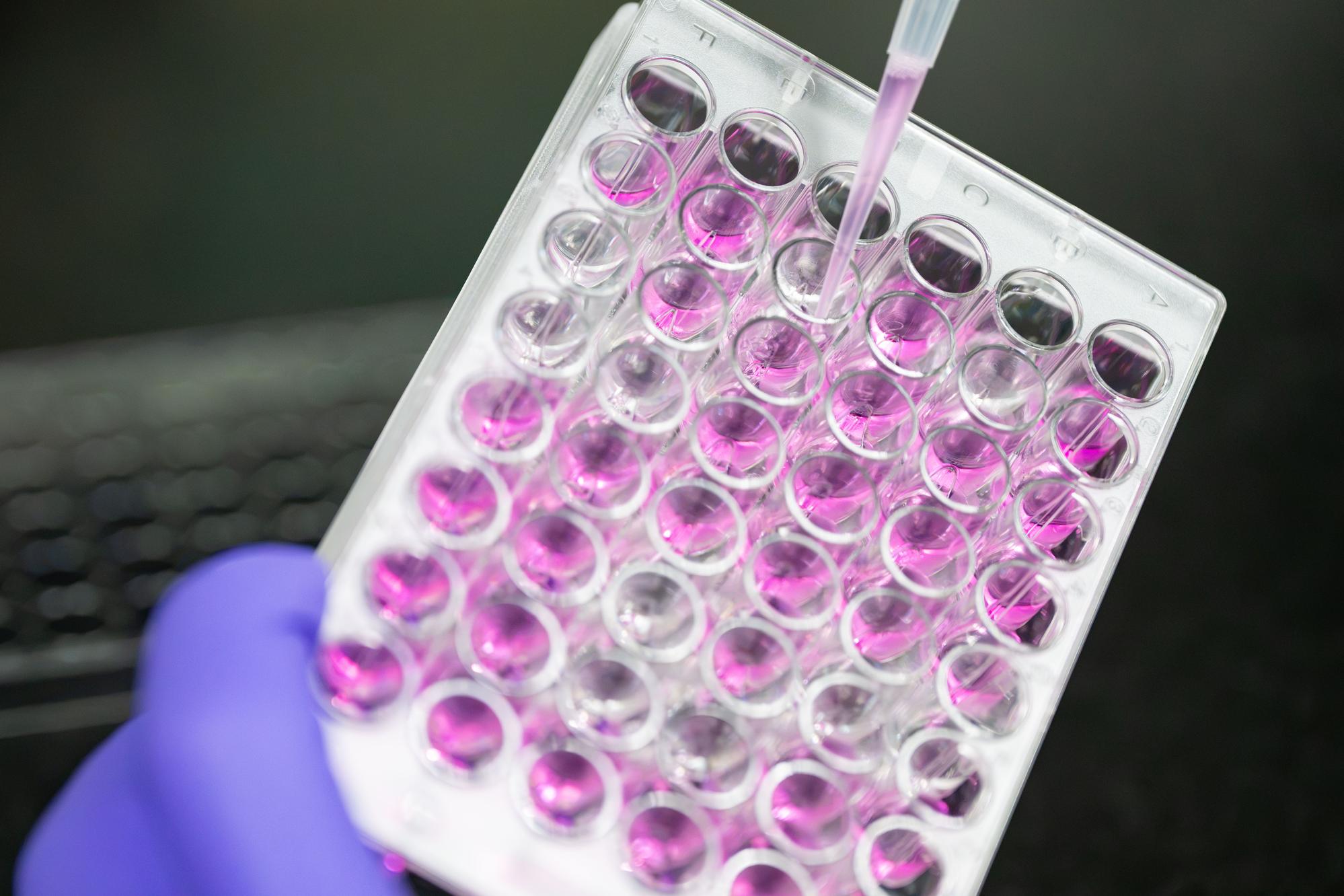
Cell experiments conducted by researchers at NTHU's Institute of Molecular Medicine demonstrate isorhoifolin's ability to promote neurite regrowth following injury.
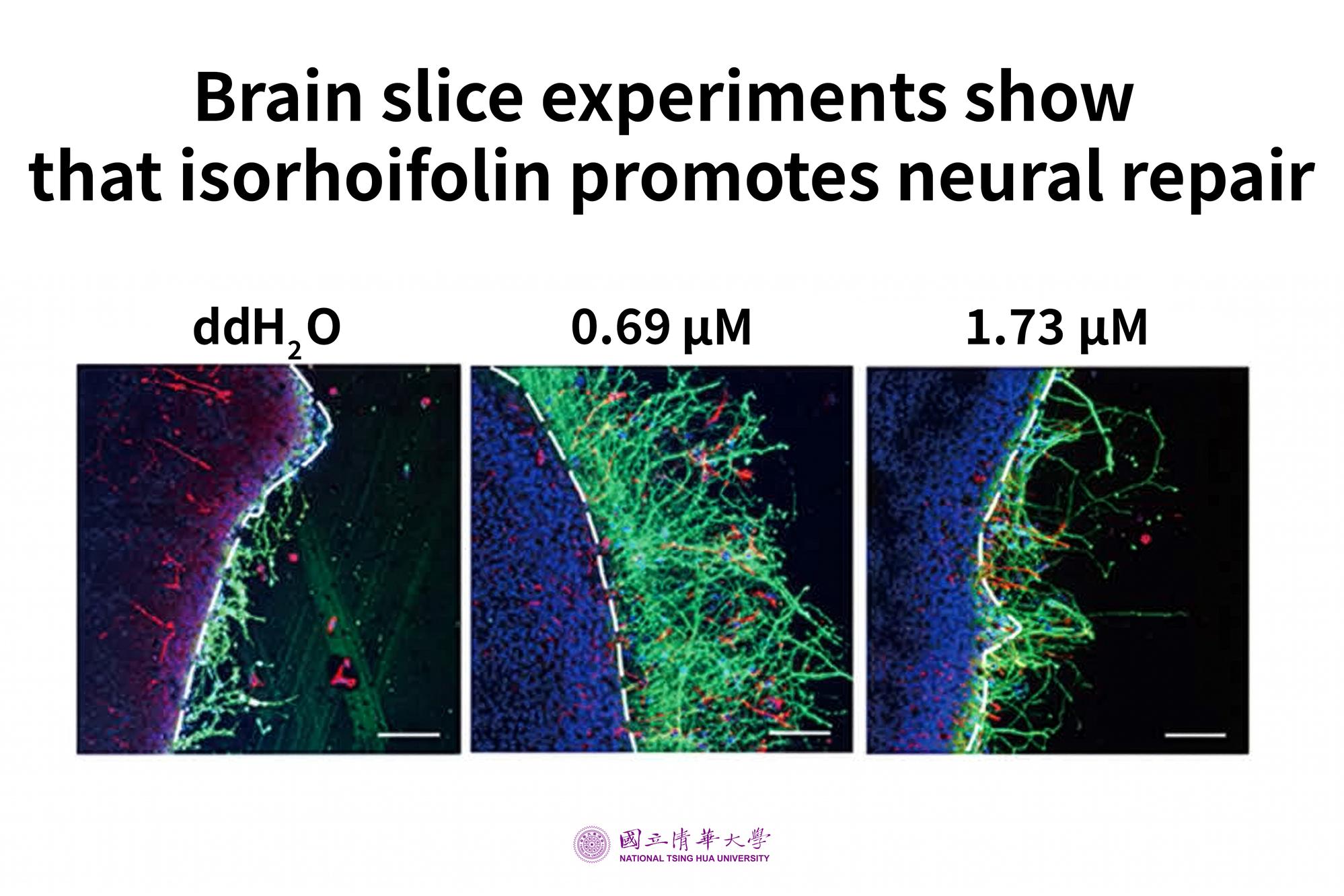
Brain slice experiments show greater regrowth of green-stained neurites at the injury boundary after isorhoifolin treatment (center and right), compared with the untreated control (left).
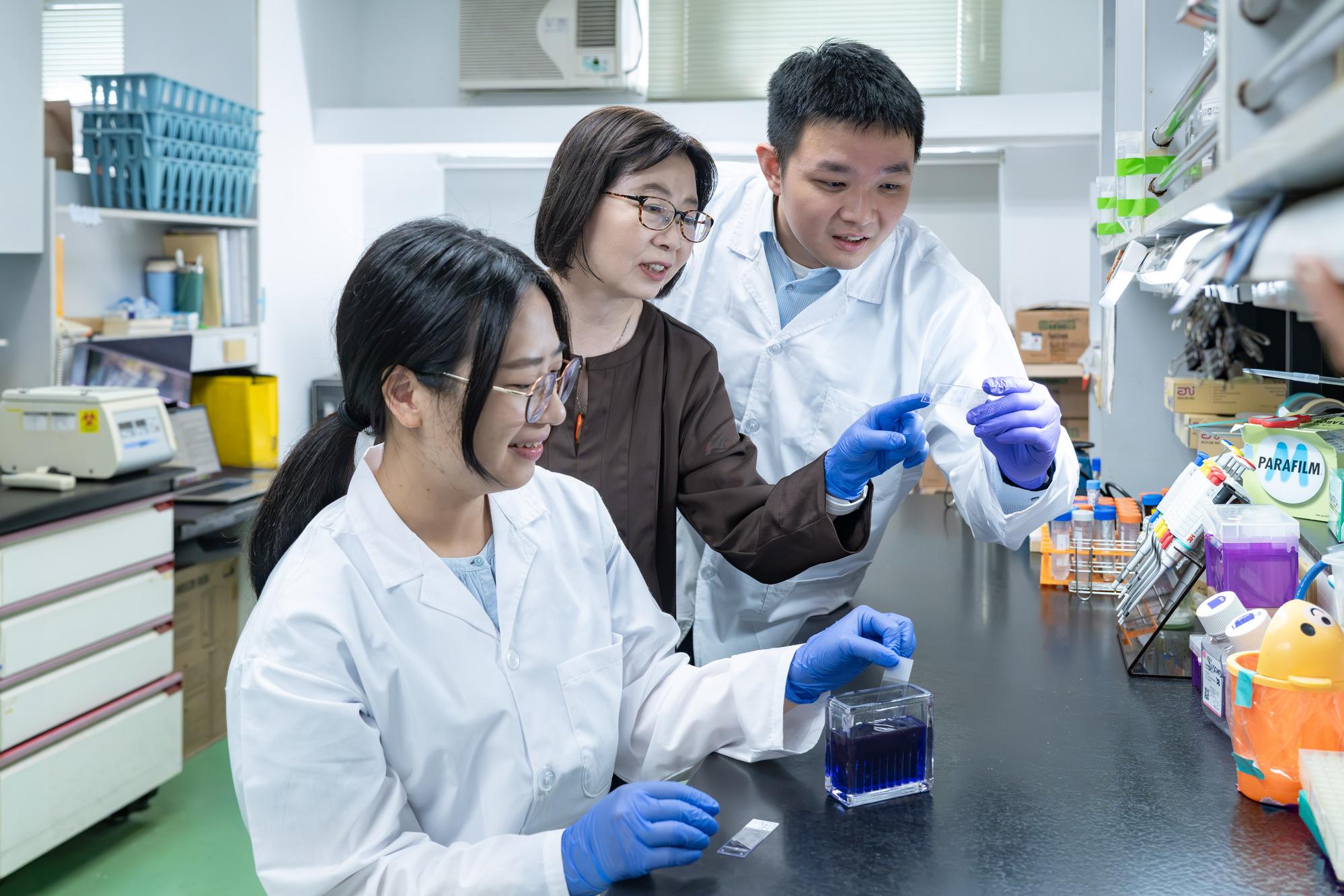
Professor Linyi Chen (center), with doctoral students Yi Wang (right) and Wen-Ling Liao (left), investigated isorhoifolin's neural repair effects and its dual mechanisms of action.
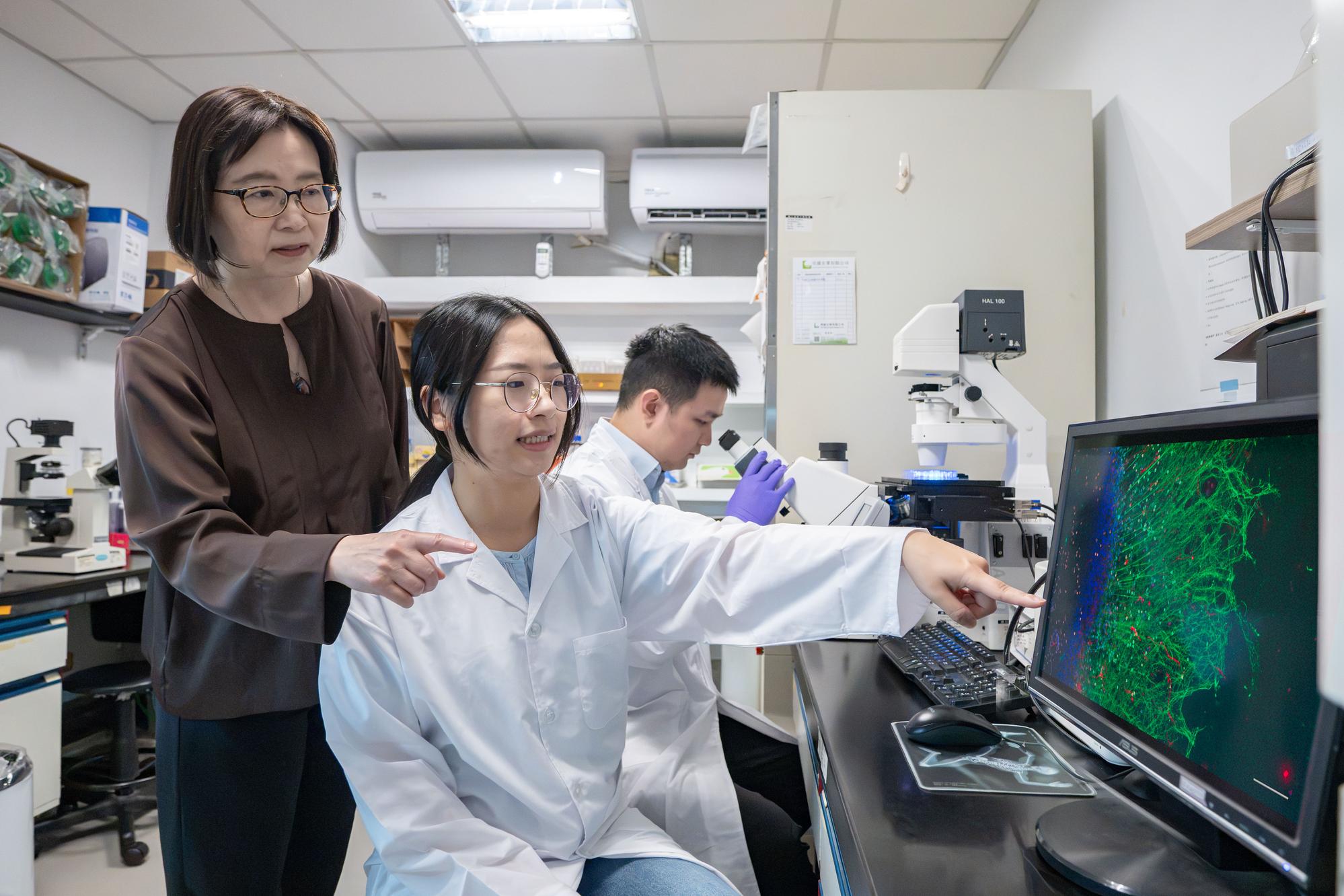
Professor Linyi Chen (left) reviews microscopy images with doctoral students Wen-Ling Liao (center) and Yi Wang (back).
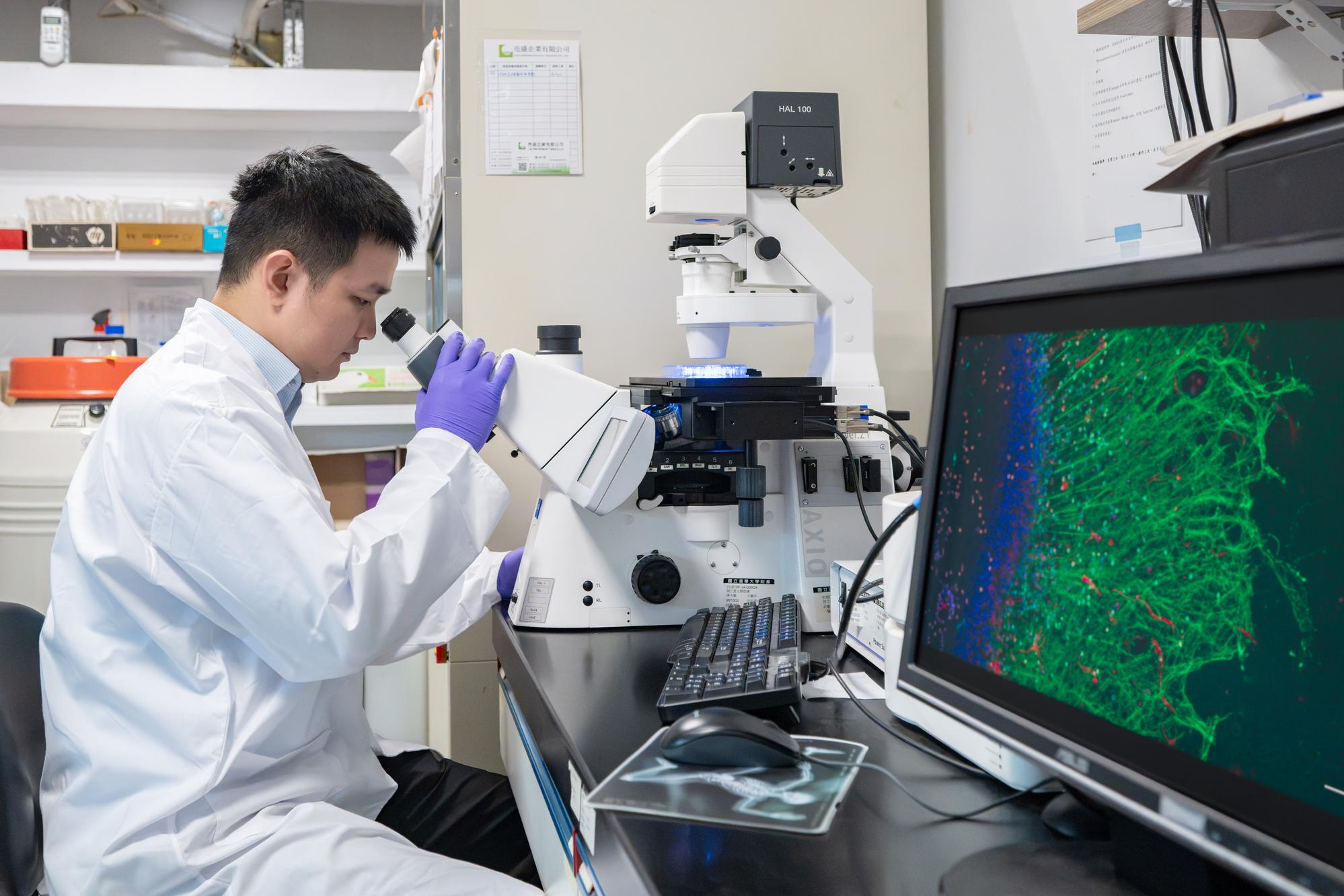
First author Yi Wang, a doctoral student at NTHU's Institute of Molecular Medicine, investigated isorhoifolin's neural repair effects and helped identify S1PR3 and NQO2 as two molecular targets.
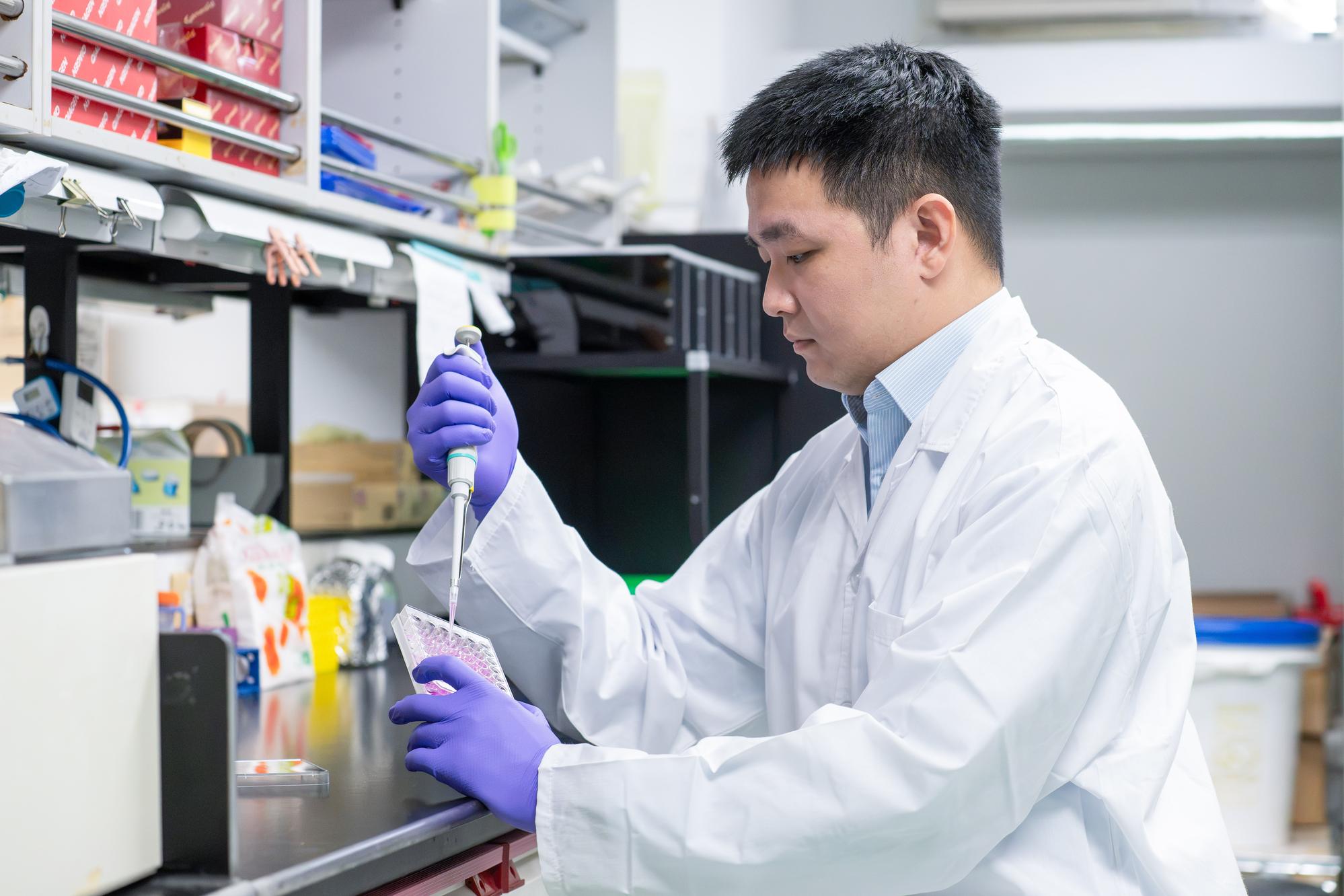
First author Yi Wang, a doctoral student at NTHU's Institute of Molecular Medicine, received NTHU's Innovative Medicine Scholarship during the later stages of the research.
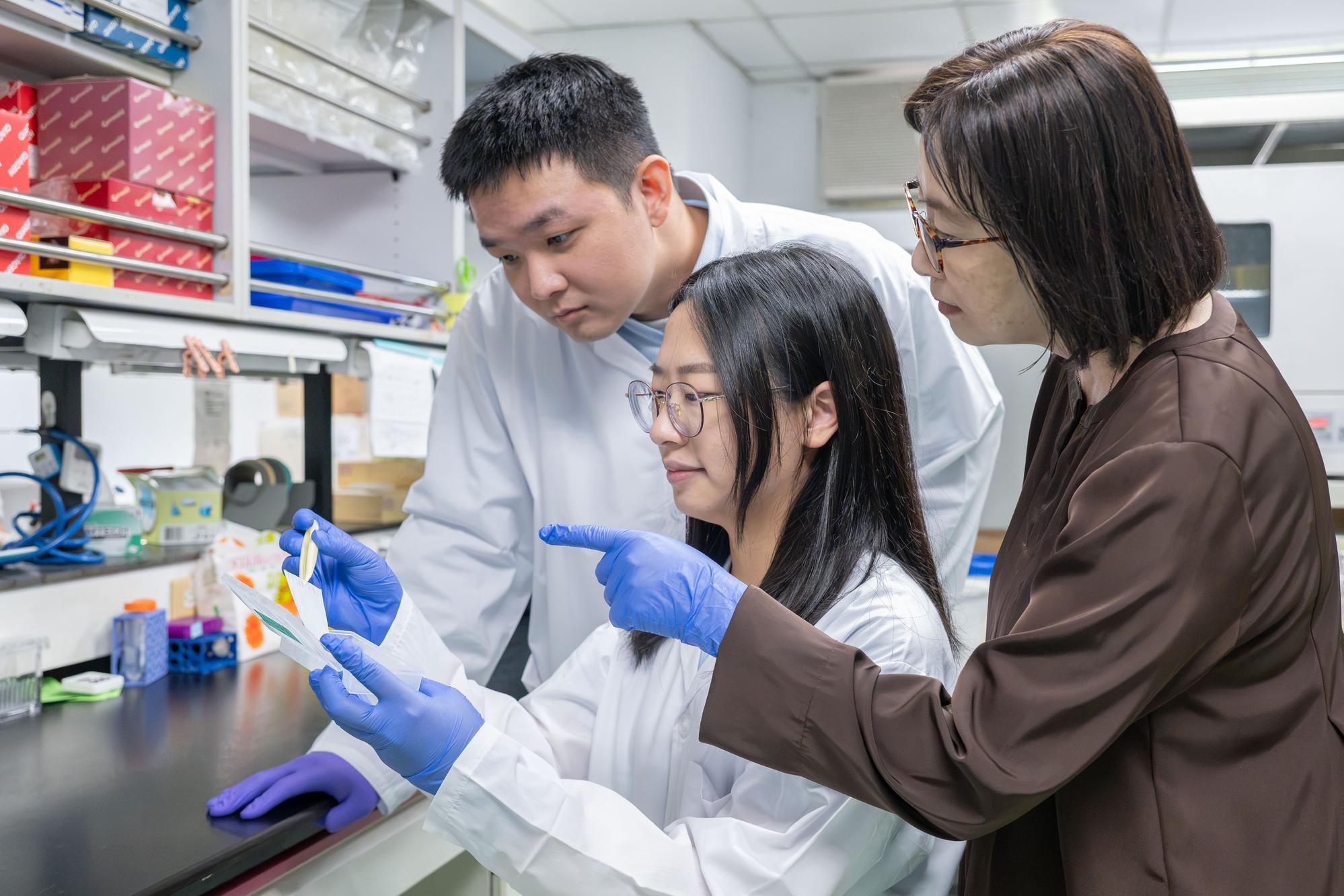
Professor Linyi Chen (right) and doctoral students Yi Wang (left) and Wen-Ling Liao (center) confirmed isorhoifolin's neural repair effects and identified its two mechanisms of action.
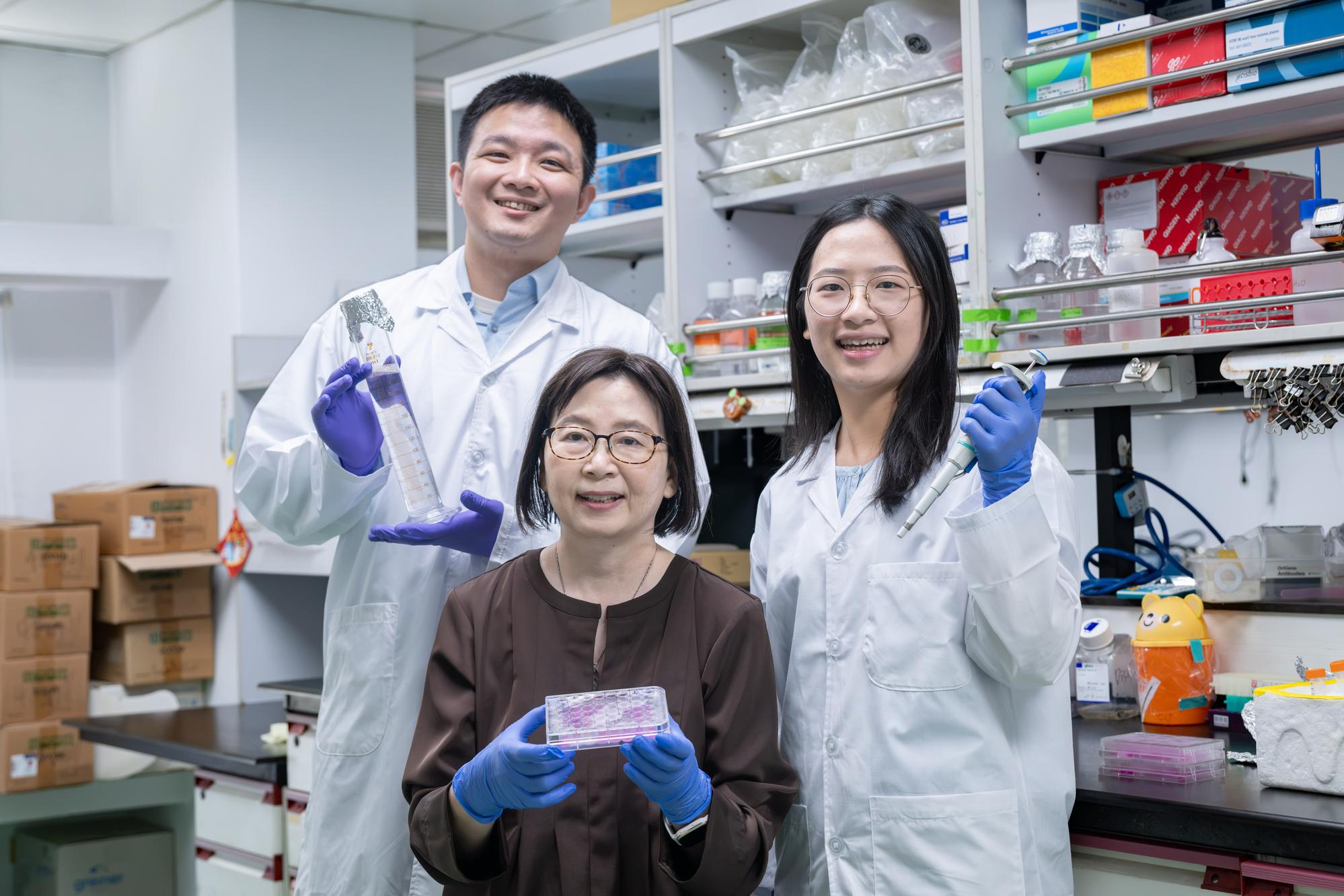
Professor Linyi Chen (center) and doctoral students Yi Wang (left) and Wen-Ling Liao (right) confirmed isorhoifolin's neural repair effects and identified its two mechanisms of action.
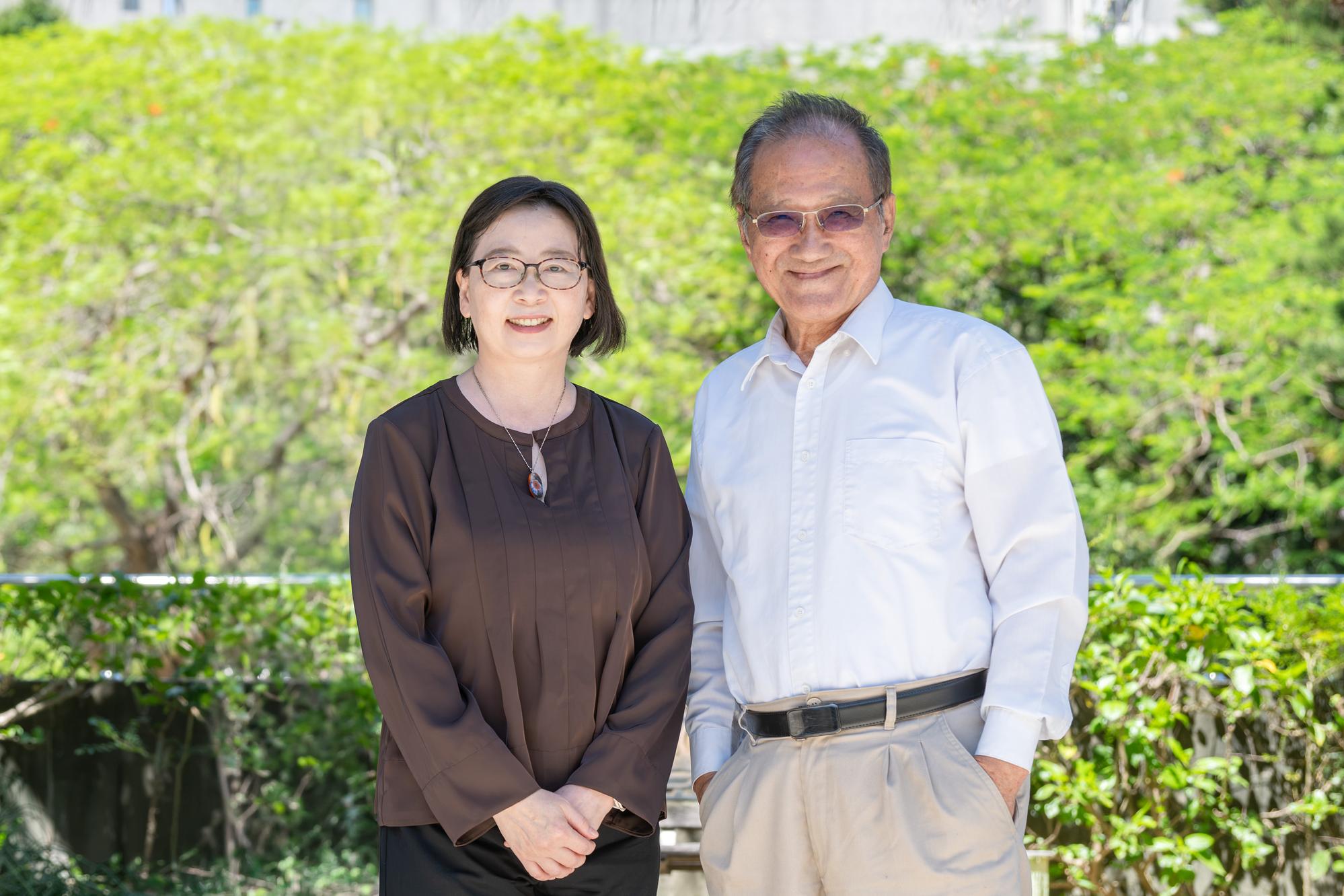
Professor Linyi Chen (left) of NTHU's Institute of Molecular Medicine and Chia-Wei Li (right), executive director of the Dr. Cecilia Koo Botanic Conservation Center, collaborated to identify isorhoifolin in extracts of Monstera epipremnoides.