2026.11.03
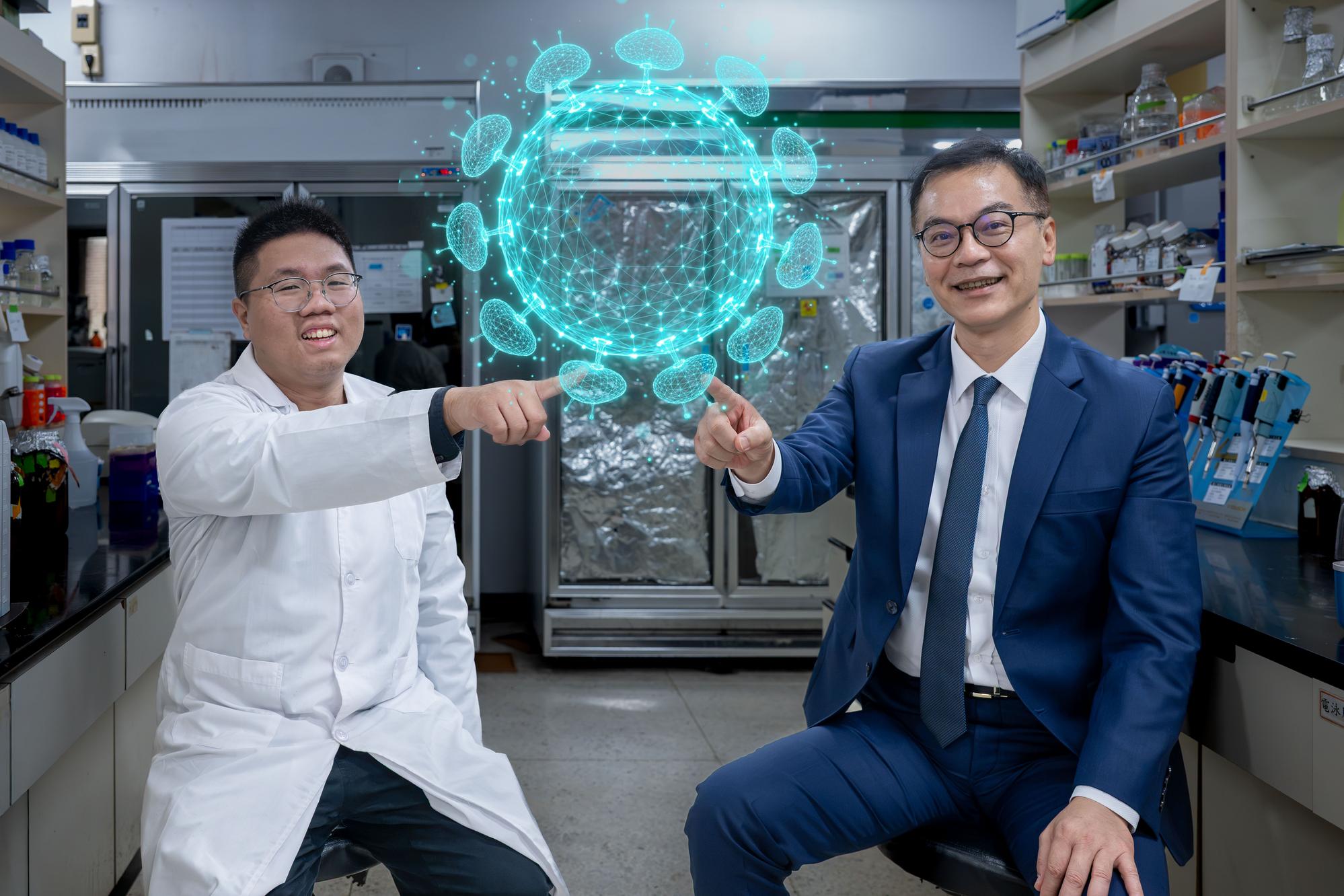
Tsing Hua Chair Professor Yu-Chen Hu (胡育誠, right) of NTHU's Department of Chemical Engineering led a research team, which included doctoral student Pin-Yan Chen (陳品諺), in developing PEG10-based nanoparticles (PBNPs) capable of self-packaging mRNA.
A research team at National Tsing Hua University (NTHU) in Taiwan has used PEG10, a protein naturally found in the human body, to develop PEG10-based nanoparticles (PBNPs) capable of self-packaging messenger RNA (mRNA). In animal models of colorectal cancer, the researchers found that PBNPs carrying immunotherapeutic mRNA, when combined with the chemotherapy drug oxaliplatin, suppressed tumor growth and enhanced immune responses more effectively than either treatment alone. The study, led by Tsing Hua Chair Professor Yu-Chen Hu (胡育誠) of the Department of Chemical Engineering, was published in Nature Communications.
mRNA carries the instructions cells use to make proteins, but it degrades easily and cannot readily enter cells on its own, so it needs a carrier. Currently, widely used lipid nanoparticles (LNPs) require multiple steps to encapsulate mRNA. In 2021, scientists discovered that PEG10 could self-assemble into nanoparticles and package RNA carrying specific recognition sequences. However, the original production method was costly and difficult to scale up.
To improve production efficiency, Hu's team used a baculovirus-based method that enabled PEG10 to self-assemble into nanoparticles and package mRNA. Compared with traditional methods, the new process reduced production costs and increased the PBNPs' functional titer 11.3-fold, reflecting greater mRNA delivery activity per milliliter of the formulation. The PBNPs retained the integrity of their mRNA cargo as well as their delivery capacity even after seven months of storage at 4C. The team also demonstrated that the particles could package mRNA transcripts at least 7,336 nucleotides long, enough to encode multiple proteins.
Hu likened PBNPs to "delivery trucks" that carry a cargo of mRNA. "Once the PBNP platform has packaged its cargo, the next challenge is getting it to the right destination," he said. To address this challenge, the team genetically engineered the nanoparticles' surfaces to improve their ability to target cancer cells and deliver mRNA into them.
Pin-Yan Chen (陳品諺), a doctoral student in chemical engineering and co-first author of the paper, explained that the engineered PBNPs achieved an mRNA delivery efficiency of approximately 71% in cultured mouse colon cancer cells.
The team then replaced the cargo mRNA with mRNA encoding two immune-regulating proteins, IL-12 and OX40L. The cancer cells produced both proteins, and T-cell activation increased when the cells were co-cultured with immune cells. In mice bearing colon tumors, the researchers administered both the engineered PBNPs and the chemotherapy drug oxaliplatin directly into the tumors. The combination therapy effectively suppressed tumor growth and enhanced immune responses, with no apparent acute toxicity observed under the conditions tested.
The team's research was recognized at the Moderna Taiwan mRNA Innovation Awards. The team has since extended the technology to stem cell and tissue repair research, hoping in the future to use different mRNA instructions to guide cells in producing specific proteins, with potential applications in regenerative medicine.
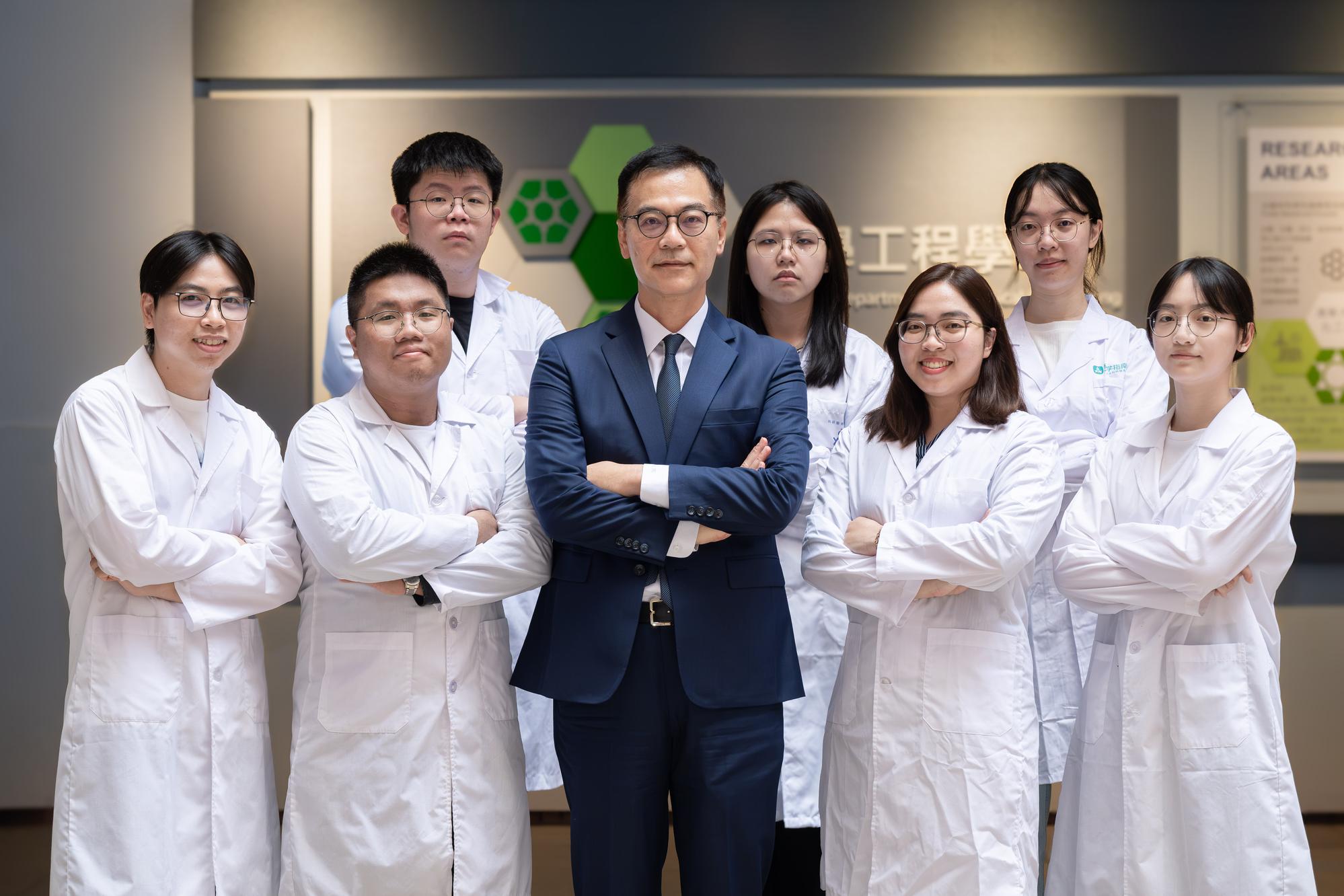
Tsing Hua Chair Professor Yu-Chen Hu (胡育誠, center) of NTHU's Department of Chemical Engineering with the PBNP research team. From left to right: doctoral students Ying-Wei Chang (張英偉) and Pin-Yan Chen (陳品諺), master's student Pin-Da Chen (陳品達), Hu, master's student Ting-Yu Yeh (葉庭妤), doctoral student Du-Juan Deng (鄧杜娟), and master's students Pei-Yun Hsieh (謝佩芸) and Pin-Han Lai (賴品涵).
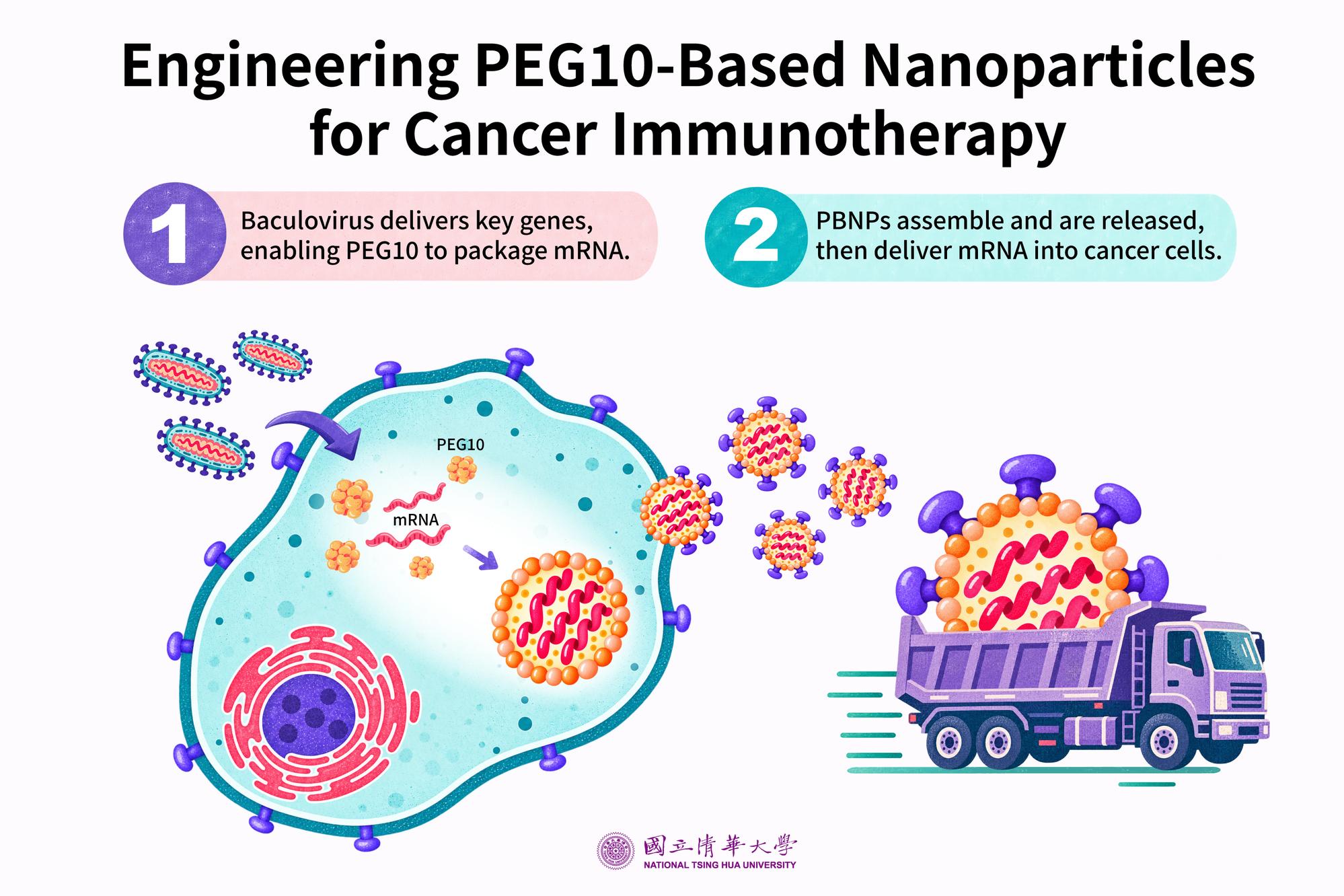
The NTHU team developed PEG10-based nanoparticles (PBNPs) from a naturally occurring human protein to serve as mRNA "delivery trucks." The particles self-package mRNA inside producer cells before delivering it to cancer cells, offering a potential platform for cancer immunotherapy.
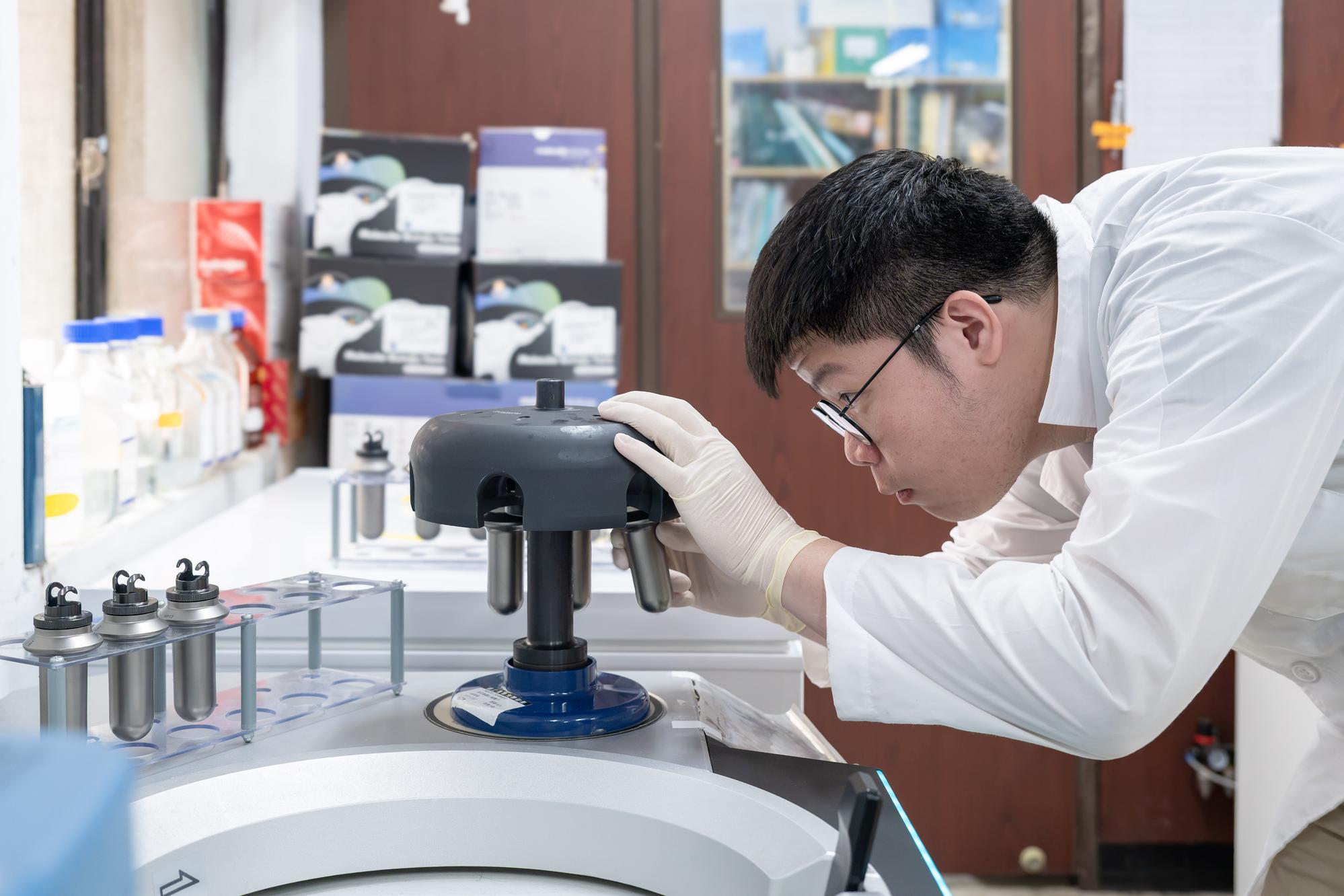
NTHU chemical engineering master's student Pin-Da Chen (陳品達) uses a centrifuge to concentrate and purify PBNPs.
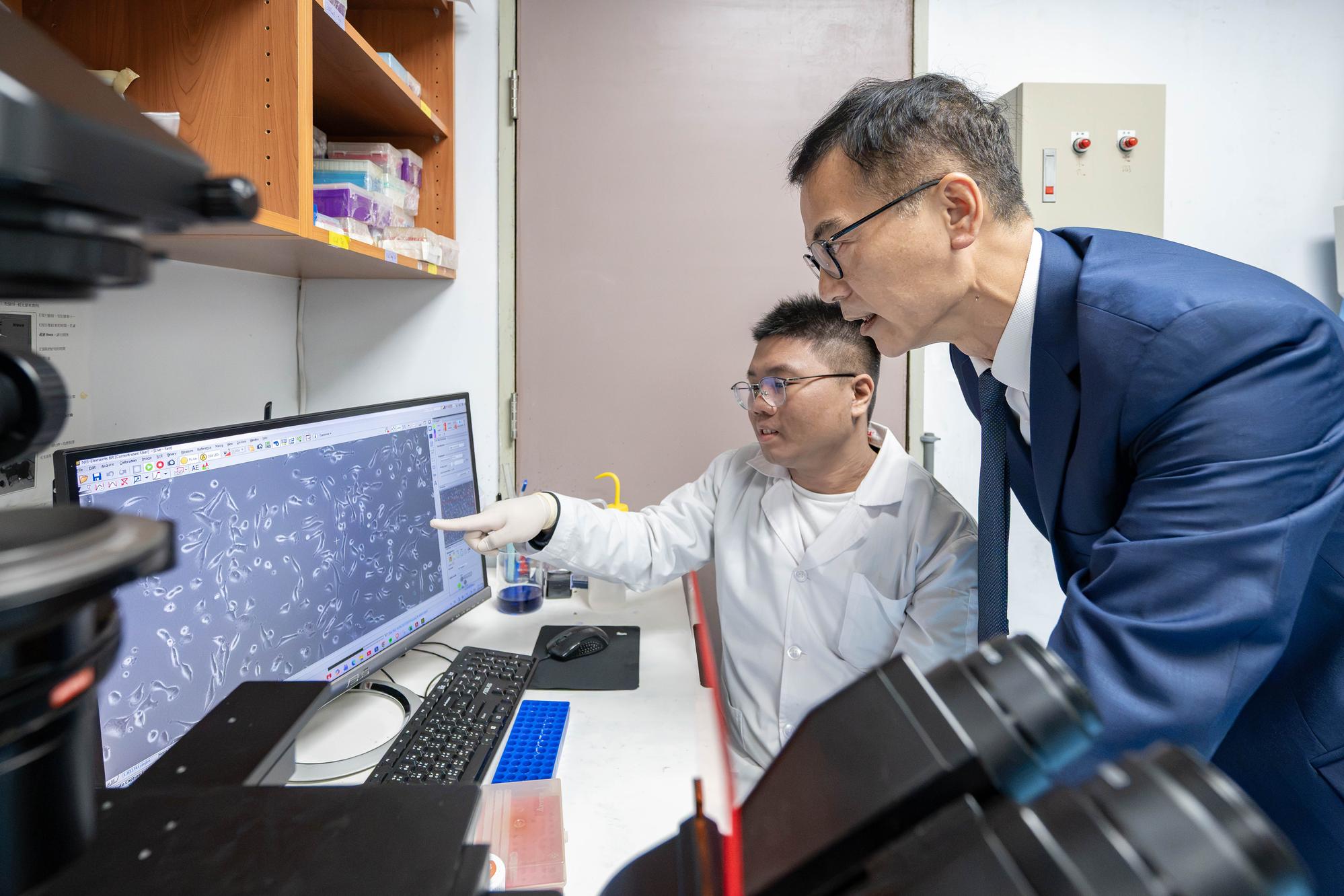
Tsing Hua Chair Professor Yu-Chen Hu (胡育誠, right) of NTHU's Department of Chemical Engineering guides doctoral student Pin-Yan Chen (陳品諺) in observing cell growth under a microscope.
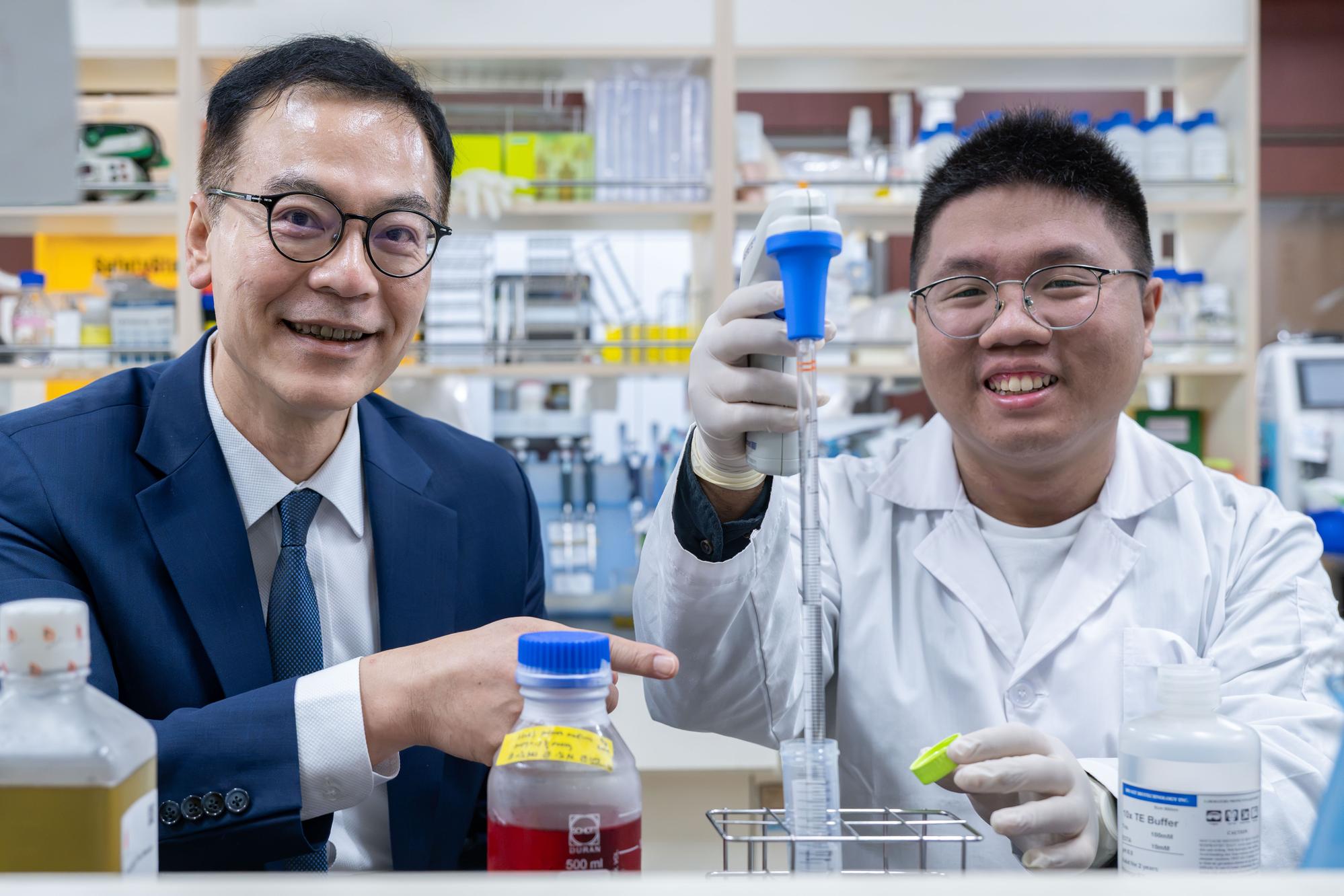
Tsing Hua Chair Professor Yu-Chen Hu (胡育誠, left) of NTHU's Department of Chemical Engineering led a research team, which included doctoral student Pin-Yan Chen (陳品諺), to develop PEG10-based nanoparticles (PBNPs) capable of self-packaging mRNA.
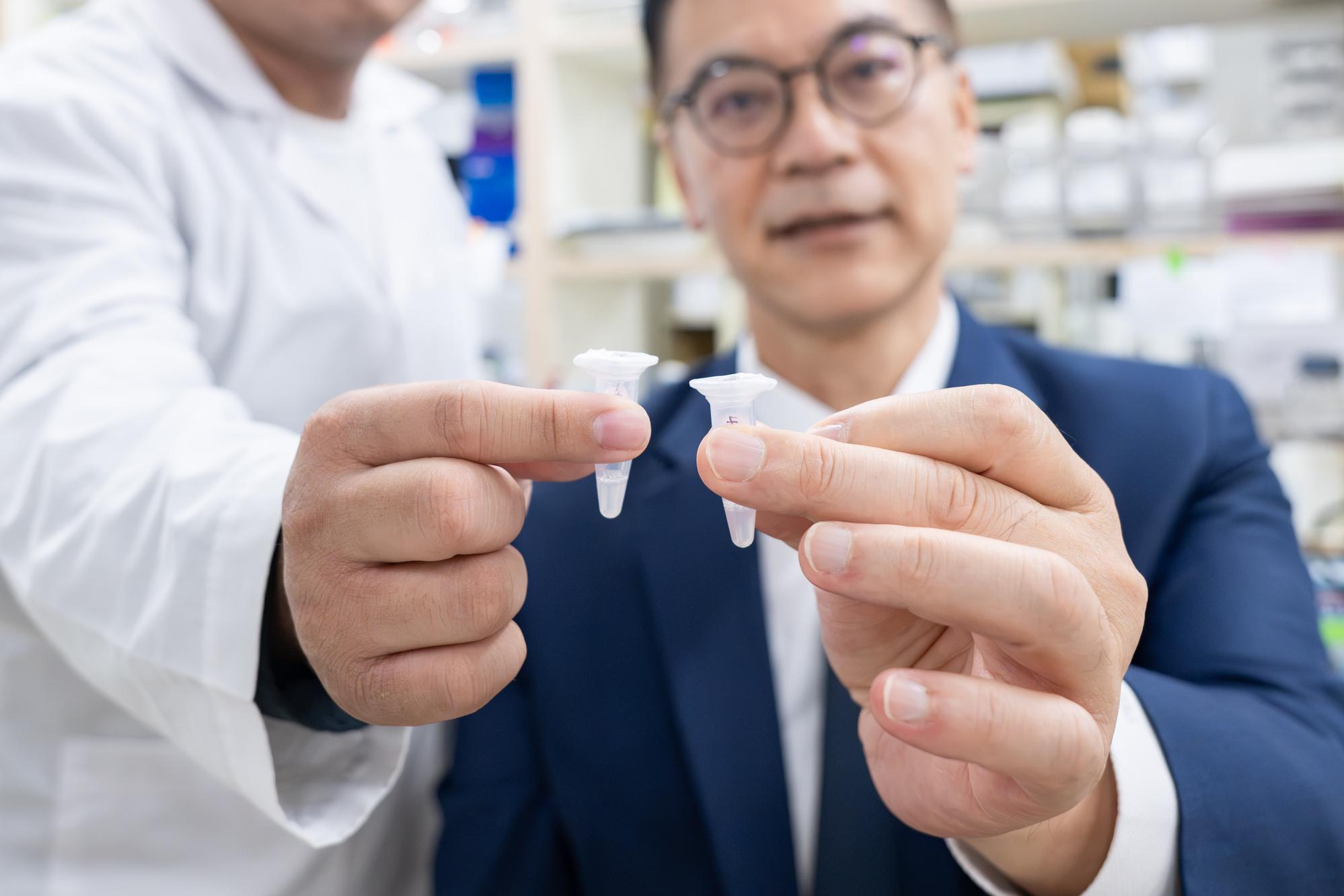
Tsing Hua Chair Professor Yu-Chen Hu (胡育誠) of NTHU's Department of Chemical Engineering led the research team that developed PEG10-based nanoparticles (PBNPs) capable of self-packaging mRNA.
