
From Brain Drain to Brain Gain: NTHU's Innovative Talent Retention Model Gains Global Attention
2025.11.07
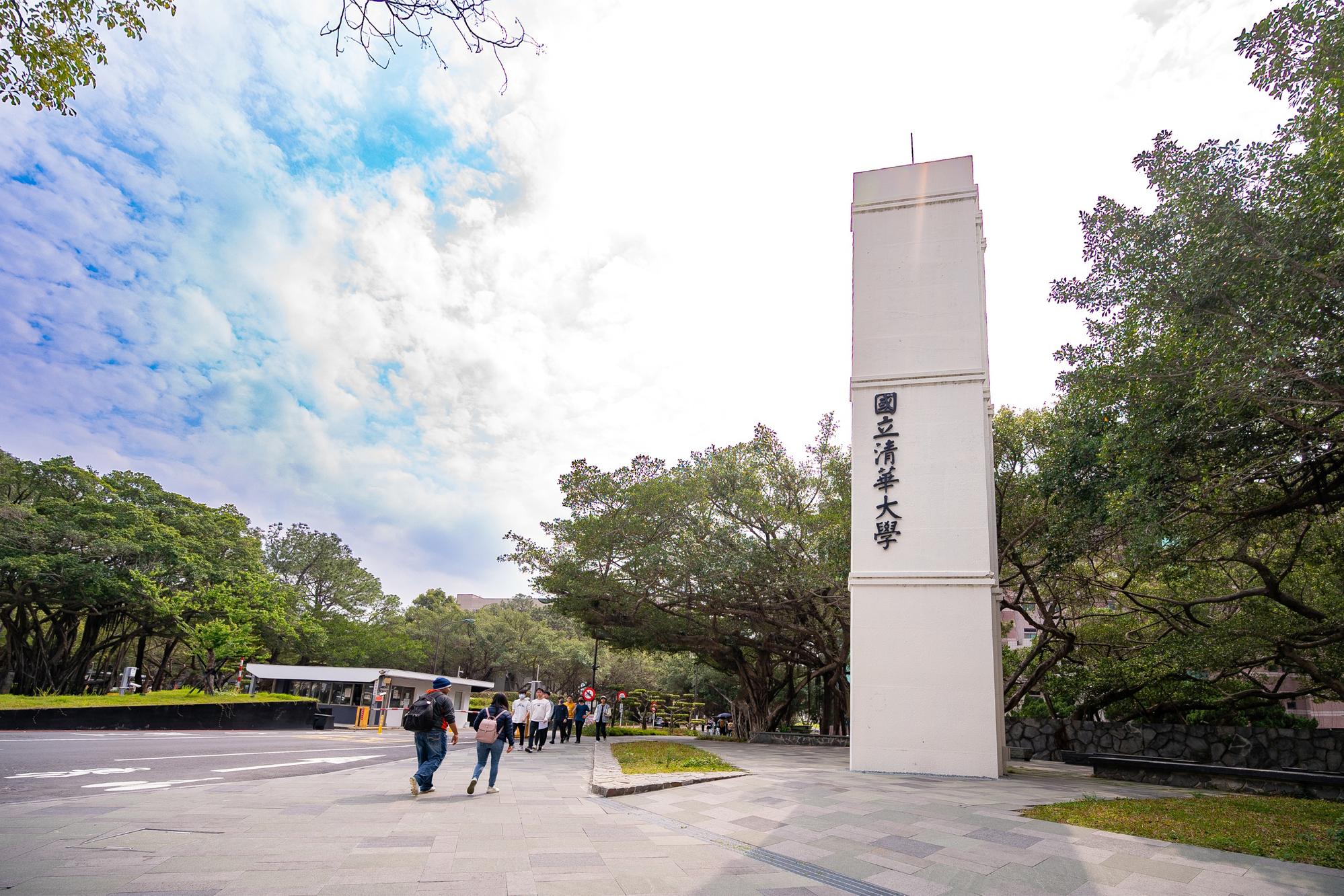
NTHU's faculty support and postdoctoral programs set a new standard for talent retention in higher education.
The Chosun Daily, one of South Korea's three major newspapers, recently featured an article on how Taiwan has successfully reversed its brain drain through collaboration between government, universities and industry. The report included an interview with W. John Kao (高為元), president of National Tsing Hua University (NTHU) in Taiwan, spotlighting NTHU as a leading example of innovation in higher education and talent retention.
President Kao noted that Taiwan once struggled to curb the exodus of top researchers, many of whom left for Singapore or the United States because of Taiwan's limited compensation. “With active support from the government and industry, and the continuous innovation of universities,” he said, “Taiwan is now steadily reversing this long-standing challenge.”
Kao added that this collaborative model has strengthened Taiwan's innovation ecosystem, attracting global technology companies to establish research centers in Taiwan and recruit local graduates. “This challenge has clearly eased,” he said, “and Taiwan is increasingly becoming a hub for global tech talent.”
At NTHU, the graduate employment rate is nearly 99%, and a university survey indicates that seven in ten students prefer to stay in Taiwan for their careers. Kao emphasized that universities must be proactive in retaining talent—not only by improving compensation, but also by creating environments where research, collaboration and family life can coexist harmoniously.
In recent years, NTHU has invested over NT$1.4 billion to strengthen its faculty support system. It established the Tsing Hua Talent Development Fund, combining alumni donations, corporate sponsorship and government subsidies to offer performance-based bonuses of up to NT$5 million for outstanding professors. The university also offers on-campus childcare and family support measures, fostering a human-centered academic environment that values both research excellence and quality of life.
Building on these initiatives, NTHU launched the Research Talent Resource Center in April as a university-wide hub for cross-disciplinary collaboration. The center introduced three incentive programs for postdoctoral researchers—Advisor-Matching Incentive Salaries, Competitive Incentive Salaries and the Mini-Project Program—to provide flexible compensation and support the development of independent research projects. Since its inception, the program has benefited 67 postdoctoral researchers through funding and research grants.
Kao emphasized that behind these results lies NTHU's long-term commitment to addressing the structural challenges of higher education. “Without doctoral-level talent, advanced technologies cannot emerge, and industries cannot evolve,” he said. “NTHU will continue to drive institutional innovation and research support to cultivate the next generation of academic and industrial leaders.”
These efforts are reflected in NTHU's growing international recognition. In the newly released QS World University Rankings: Asia 2026, NTHU ranked 37th in Asia and second in Taiwan, climbing two places from last year. According to the university's Center for Institutional Research (CIR), NTHU achieved a perfect score in Staff with a PhD and near-perfect scores in Academic Reputation and Employer Reputation, underscoring its growing recognition among the global academic and professional communities.
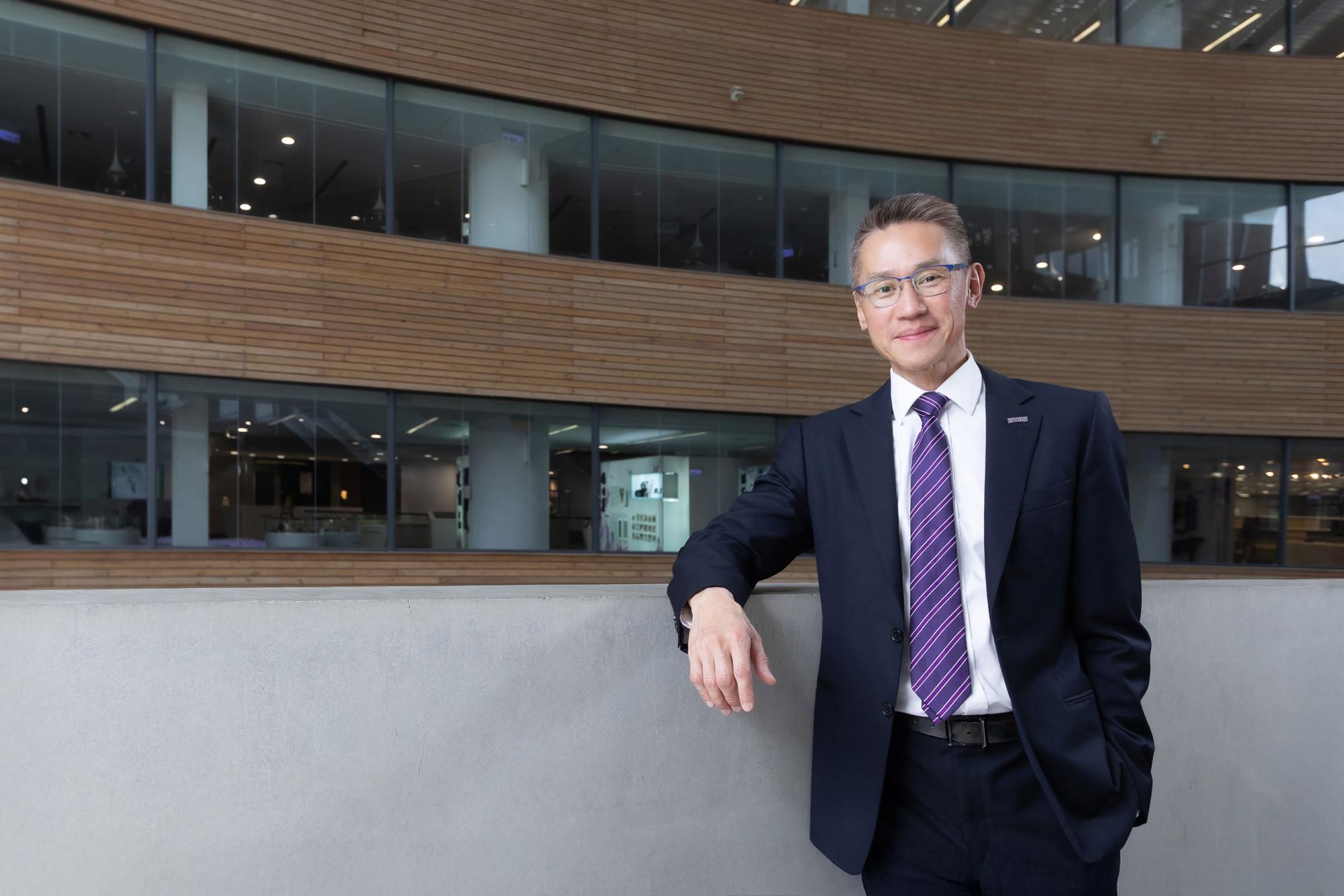
President W. John Kao (高為元) shared NTHU's innovative talent strategies in an interview with The Chosun Daily, highlighting Taiwan's growing global presence in higher education.
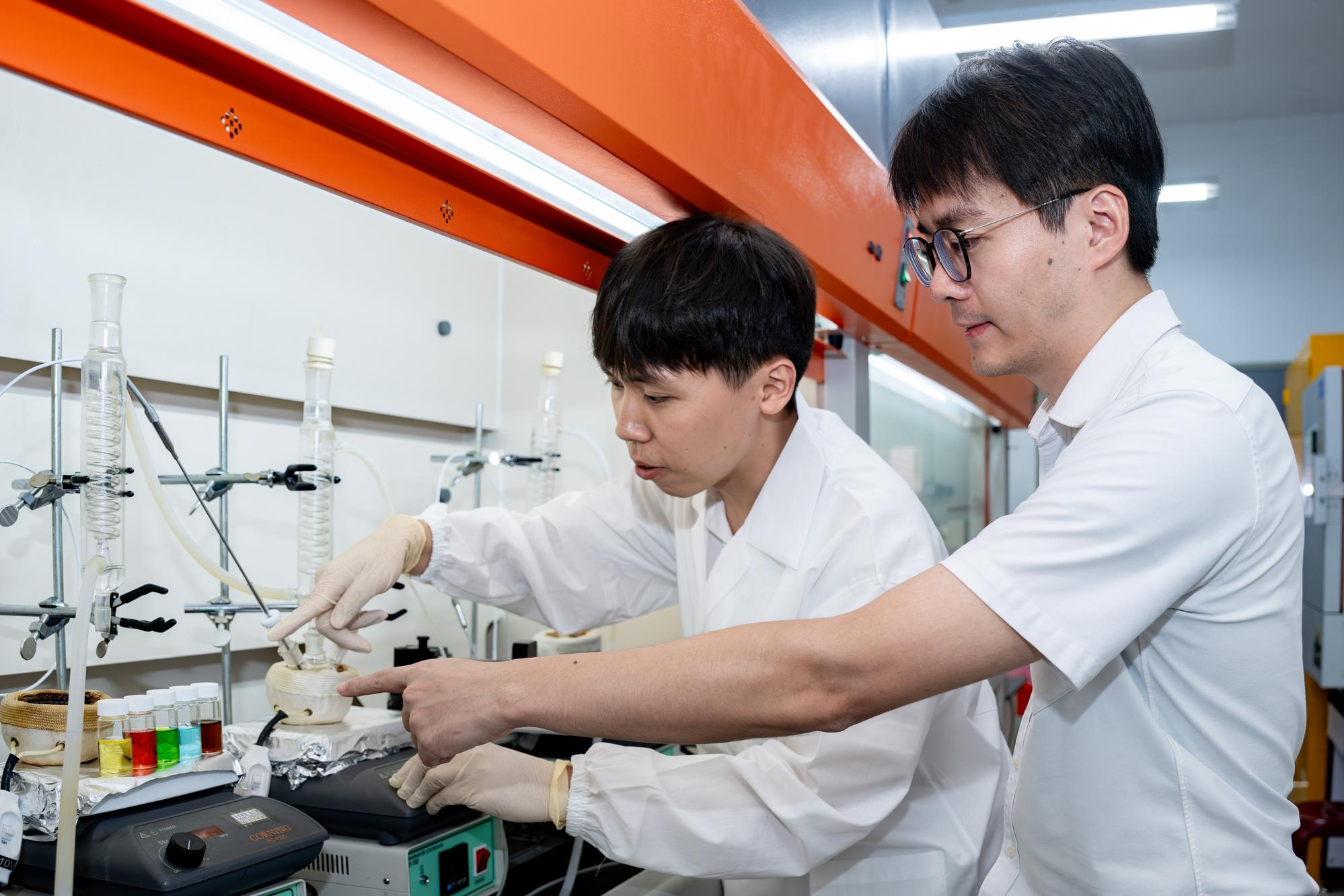
The Research Talent Resource Center at NTHU provides flexible programs that empower postdoctoral researchers to build independent academic careers.
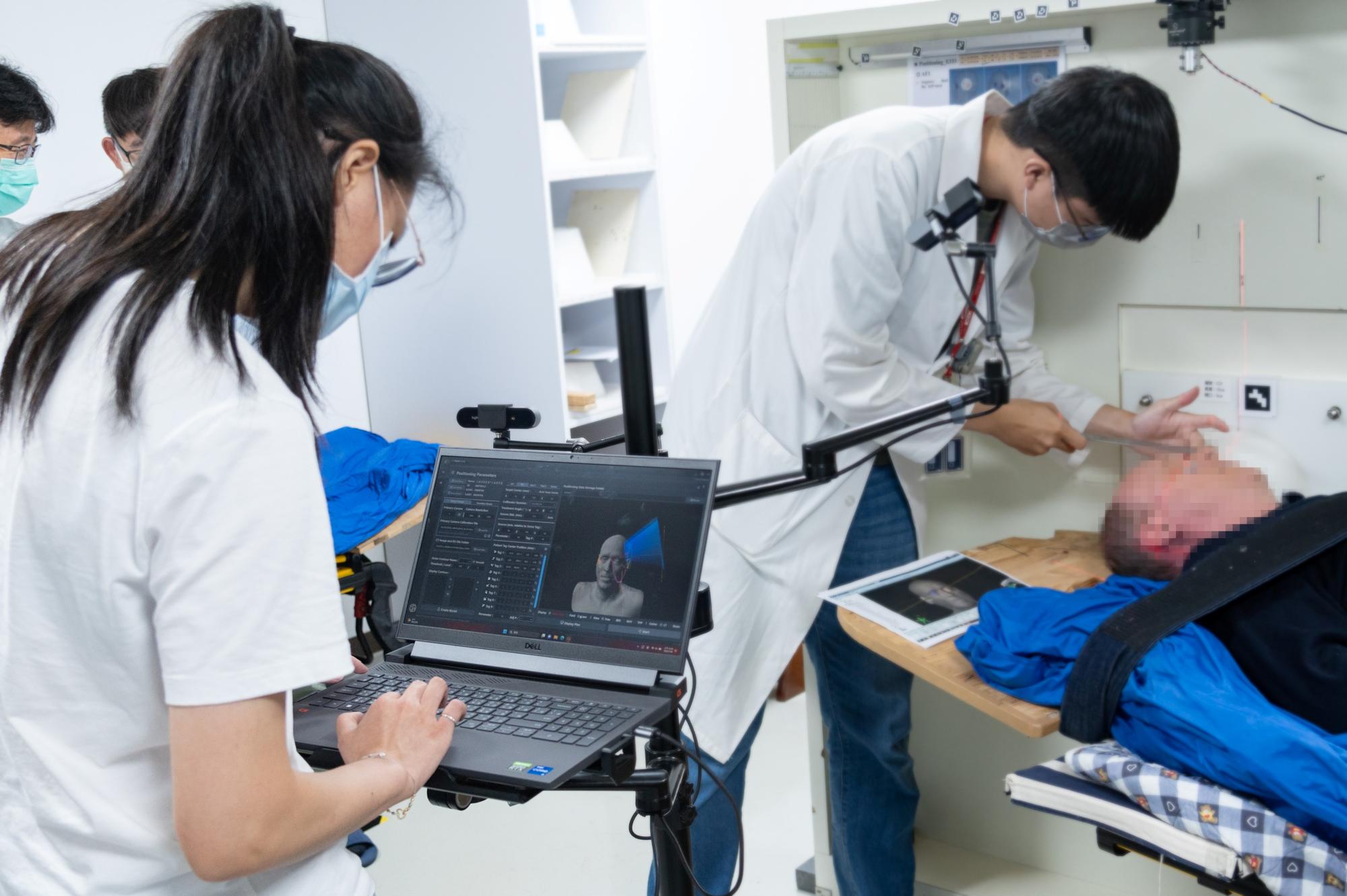
The Research Talent Resource Center at NTHU provides flexible programs that empower postdoctoral researchers to build independent academic careers.
visited: