2026.04.22
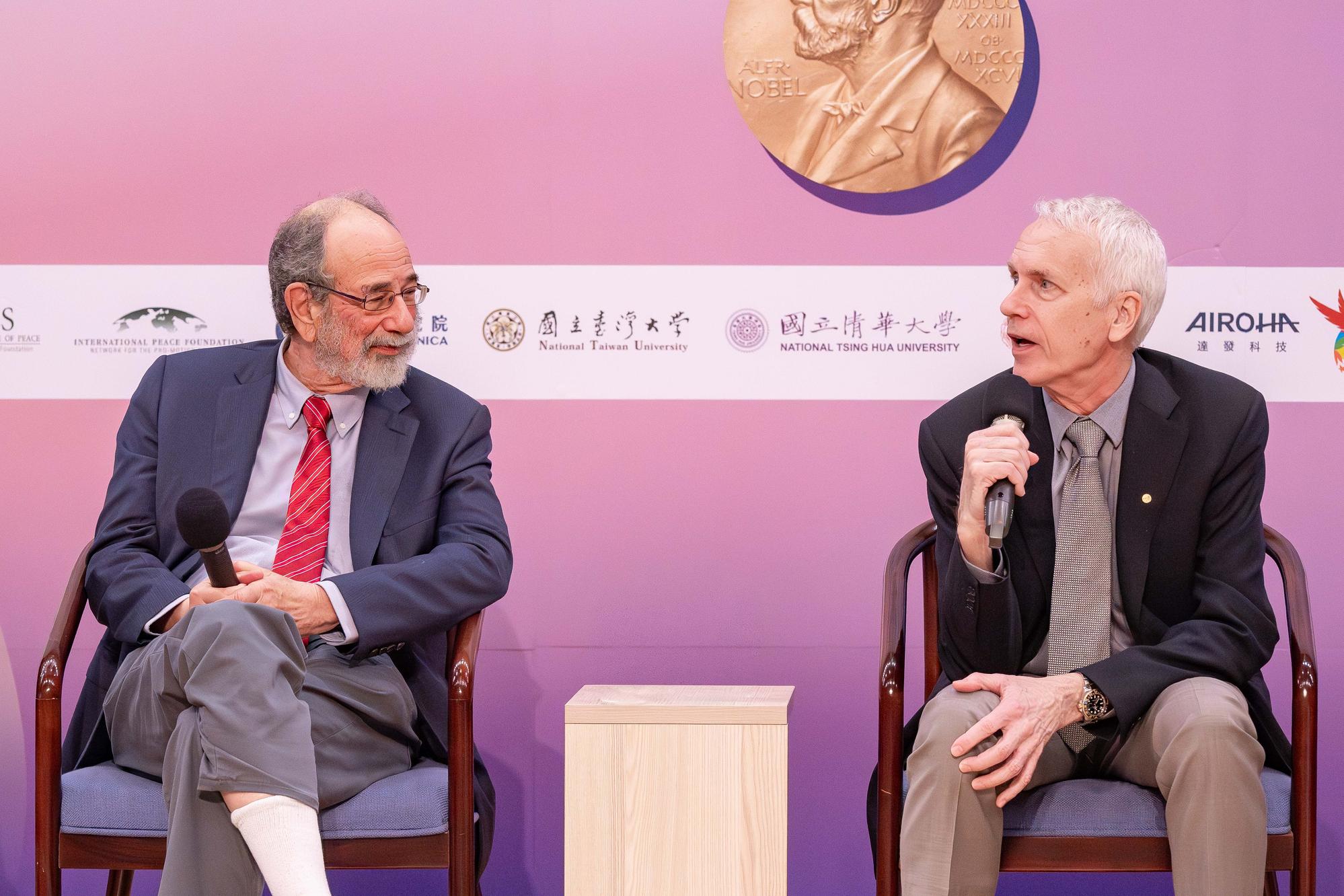
NTHU hosted the “Nobel Laureate Lectures at NTHU” program, featuring Alvin E. Roth (left), recipient of the 2012 Nobel Prize in Economic Sciences, and Brian K. Kobilka, recipient of the 2012 Nobel Prize in Chemistry, in a joint dialogue.
Artificial intelligence is rapidly reshaping drug development and the allocation of healthcare resources. Whether scientific advances and institutional frameworks can evolve in tandem remains a critical challenge. To address these pressing issues, National Tsing Hua University (NTHU) in Taiwan invited Nobel laureates Alvin E. Roth (2012 Nobel Prize in Economic Sciences) and Brian K. Kobilka (2012 Nobel Prize in Chemistry) to share their insights from the perspectives of market design and molecular structure.
Professor Roth, renowned for his work in market design, is a pioneer of kidney exchange programs that have helped save lives worldwide. Addressing Taiwan's persistently high dialysis rate, he suggested that optimizing institutional frameworks, enhancing scientific matching mechanisms, and strengthening international collaboration could significantly expand transplant opportunities. He described economics as a form of “engineering” that could solve life-and-death problems, introducing concepts such as non-simultaneous extended altruistic donor (NEAD) chains and the global kidney exchange (GKE), which leverage system design to match more compatible donors and recipients.
Professor Kobilka, a leading expert in G protein-coupled receptors (GPCRs), has made groundbreaking contributions that underpin modern drug discovery. Approximately one-third of small-molecule drugs on the market today target GPCRs. In his lecture, “The New Era in Drug Development,” he highlighted how advances in both receptor structure determination and computational methods are shifting drug discovery away from traditional trial-and-error approaches and toward structure-based precision design. These innovations enhance drug selectivity, reduce side effects, and accelerate development through virtual screening technologies.
Among the student participants, Dong Hsiang, a Life Sciences major selected for a face-to-face session with Professor Kobilka, raised questions about dopamine overstimulation caused by excessive smartphone use and its impact on sleep. Drawing on Professor Kobilka's research on opioid receptors, he explored possibilities for restoring balance in the brain's reward system. He was particularly inspired by the professor's candid reflections on navigating unfamiliar research areas and sustaining scientific passion. “These insights are invaluable as I prepare for graduate study,” he remarked.
NTHU President W. John Kao noted that the “Nobel Laureates at NTHU” program has entered its 20th year, having hosted nearly 50 laureates to date. This year's collaboration with the Taiwan Bridges Program adds further significance to the visit. In his remarks, President Kao emphasized the university's longstanding commitment to academic freedom and interdisciplinary collaboration, stating that it is only within an open and diverse environment that different fields can converge to address complex global challenges.
Both professors, who are based at Stanford University, have collaborated extensively over the years. In addition to delivering keynote lectures, they jointly participated in the industry forum titled “Steering the Future: Key Dialogues on Artificial Intelligence, Health, and Society,” organized by NTHU's College of Life Sciences and Medicine. The forum explored how AI is transforming both drug development and healthcare market dynamics.
The event opened with a keynote by Dr. Yiu-Lian Fong, Distinguished Alumna of the College and Senior Scientific and Corporate Strategy Advisor at MiRXES, titled “Beyond the Lab: How AI Accelerates Breakthroughs in Translational Science.” She outlined how AI is already widely applied in screening, target identification, drug discovery, patient stratification, clinical trial design, and precision diagnostics. These advances significantly improve the efficiency and success rate of translational research while accelerating transformation across the biotechnology and medical technology industries. As development timelines shorten, she noted, competitive dynamics are also shifting. She further discussed AI's potential for treating central nervous system disorders and for identifying mechanisms to delay aging.
Professor Kobilka focused his lecture on structural biology and AI-driven drug design at the molecular level, while Professor Roth addressed how shortened R&D cycles may reshape healthcare resource allocation and market competition. Former ITRI President Johnsee Lee discussed the alignment between industrial development and policy, and Dr. Hsing-Pang Hsieh, Director of the National Institute of Health's Institute of Biotechnology and Pharmaceutical Research, highlighted challenges in synthesizing AI-designed molecules from a medicinal chemistry perspective. The forum attracted nearly 300 participants, including faculty, students, and alumni.
Dean Lin-Yi Chen of the College of Life Sciences and Medicine remarked that AI is transforming not only scientific methodologies but also ways of thinking. She expressed hope that interdisciplinary dialogue would foster deeper engagement across fields. While AI accelerates drug development and reshapes healthcare delivery, it also introduces new challenges that will increasingly influence both industry and society. Through exchanges with Nobel laureates and leaders from academia and industry, the university aims to catalyze further cross-disciplinary collaboration.
To encourage closer interaction, NTHU also arranged multiple engagement sessions. Professor Kobilka met with faculty and students from the Department of Chemistry, attended presentations by structural bioinformatics researchers, and participated in a Q&A session with six selected student representatives. Professor Roth held discussions with faculty and students from the College of Technology Management and the Taipei School of Economics and Political Science.
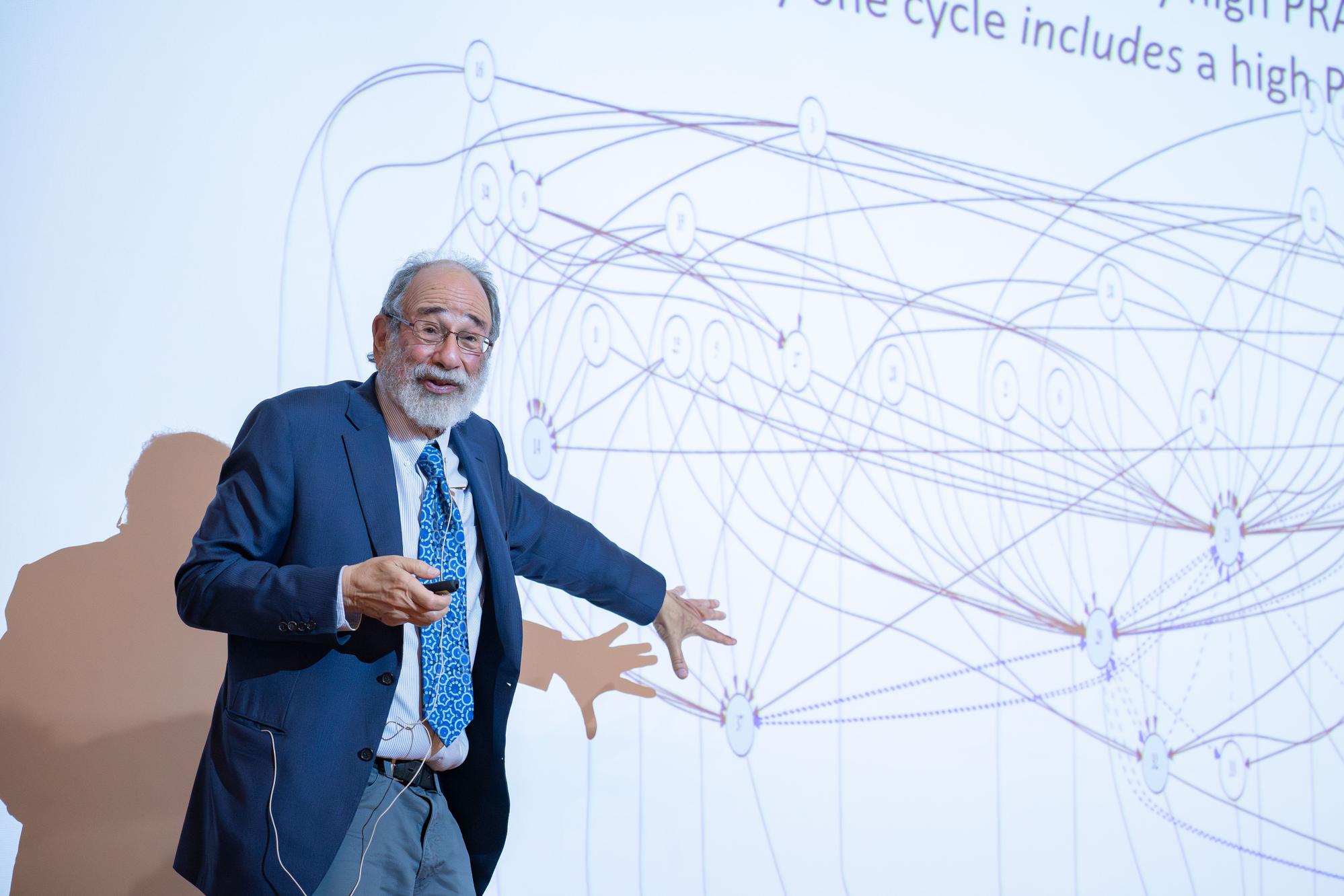
Professor Alvin E. Roth delivered a keynote lecture titled “Market Design and Healthcare” at NTHU on April 20.
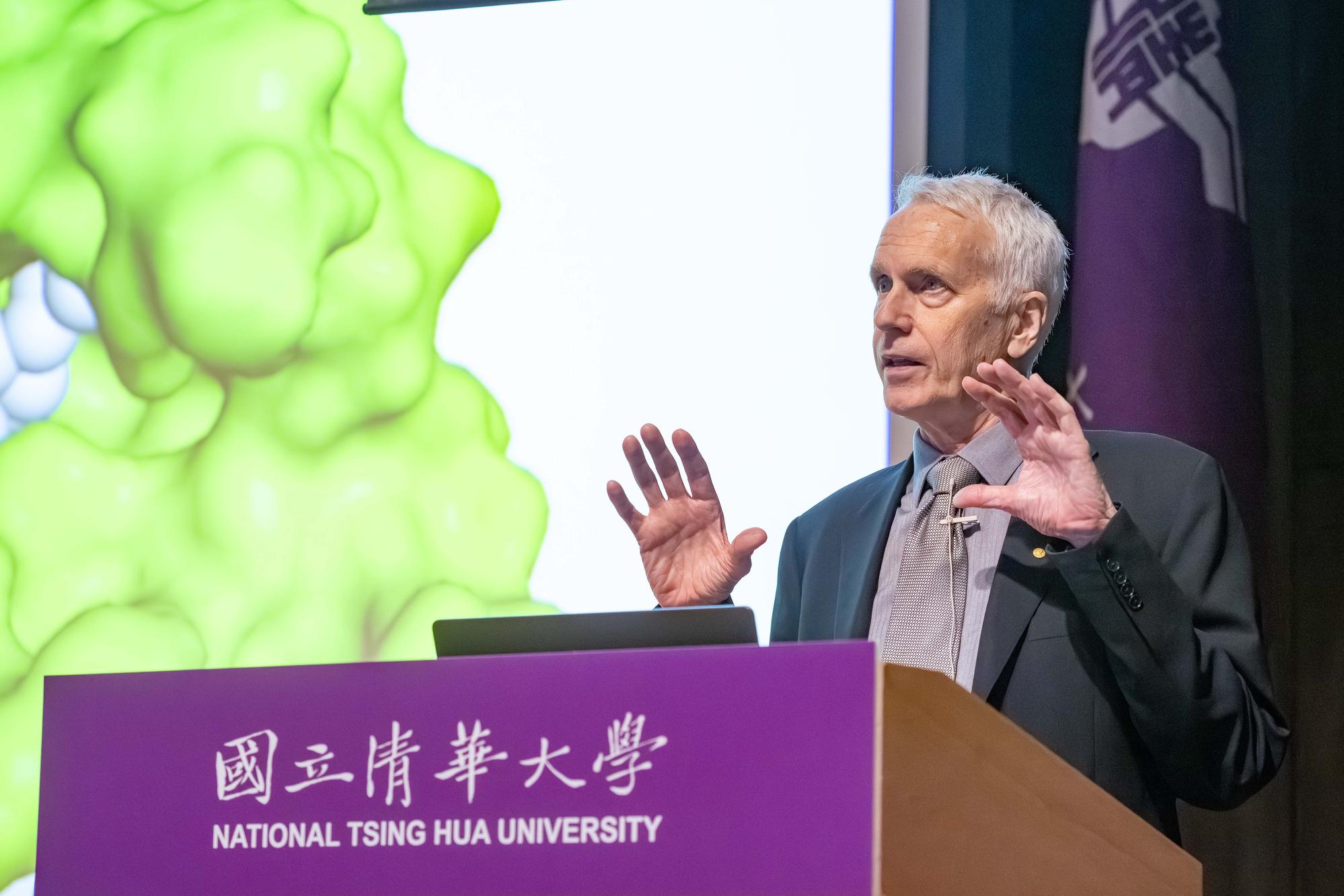
Professor Brian K. Kobilka delivered a keynote lecture titled “The New Era in Drug Development” at NTHU on April 21.
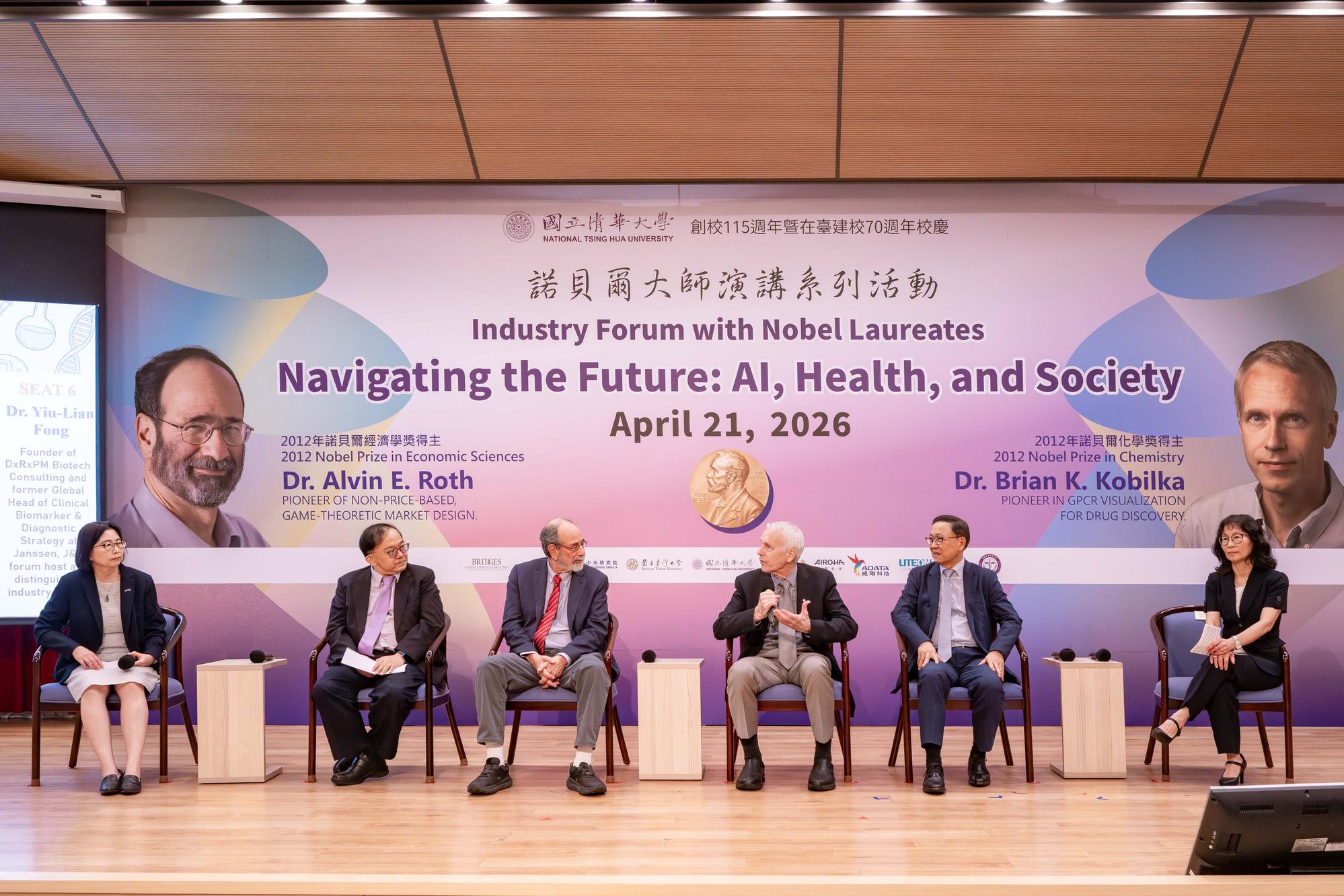
The “Nobel Laureate Lectures at NTHU” series brought together both laureates for an industry forum. From left: Dean Lin-Yi Chen (College of Life Sciences and Medicine), Director Hsing-Pang Hsieh (Institute of Biotechnology and Pharmaceutical Research, National Health Research Institutes), Professor Alvin E. Roth, Professor Brian K. Kobilka, former ITRI President Johnsee Lee, and Dr. Yiu-Lian Fong, Senior Scientific and Corporate Strategy Advisor at MiRXES.
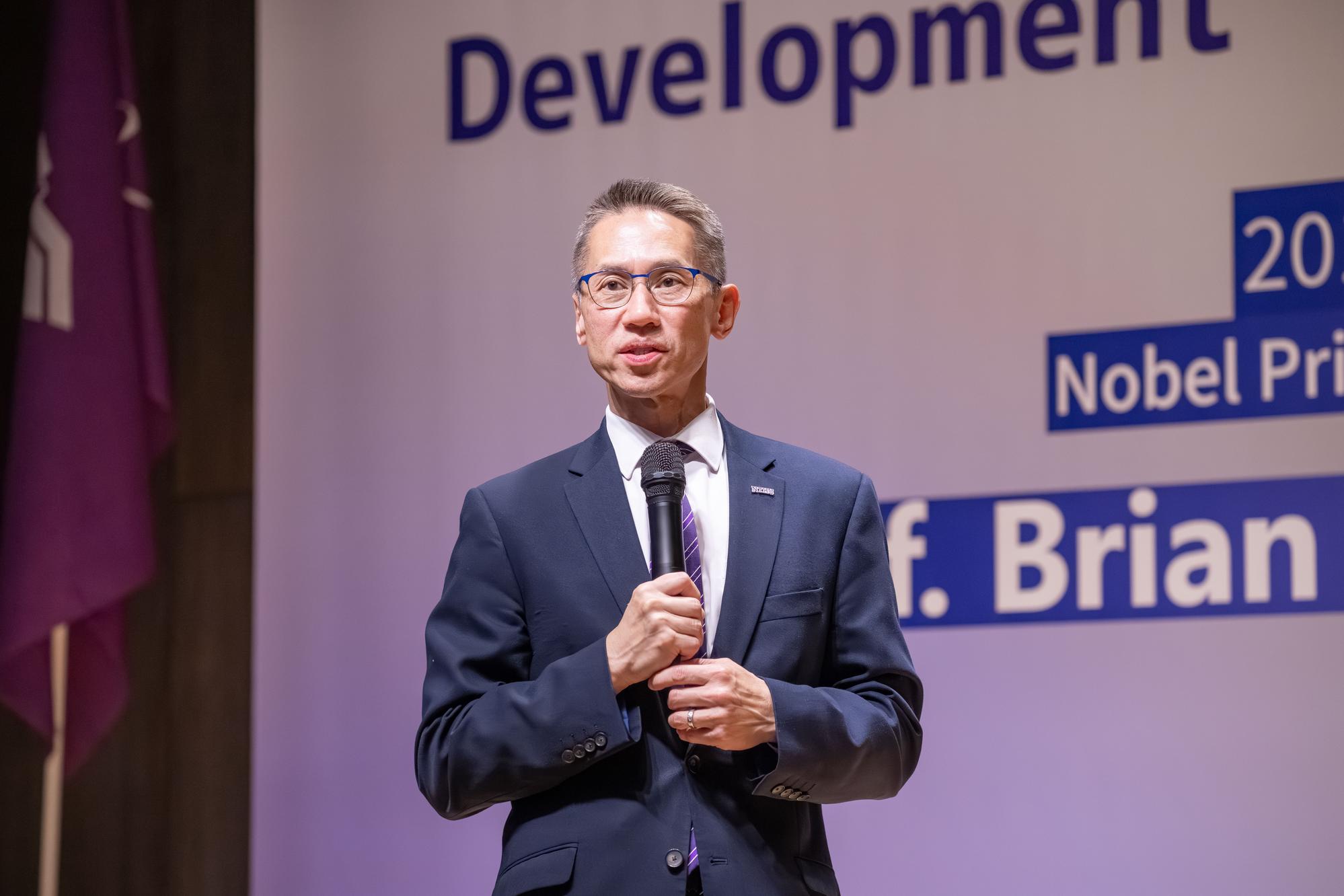
NTHU President W. John Kao noted that the “Nobel Laureate Lectures at NTHU” program has entered its 20th year, having hosted nearly 50 Nobel laureates to date.
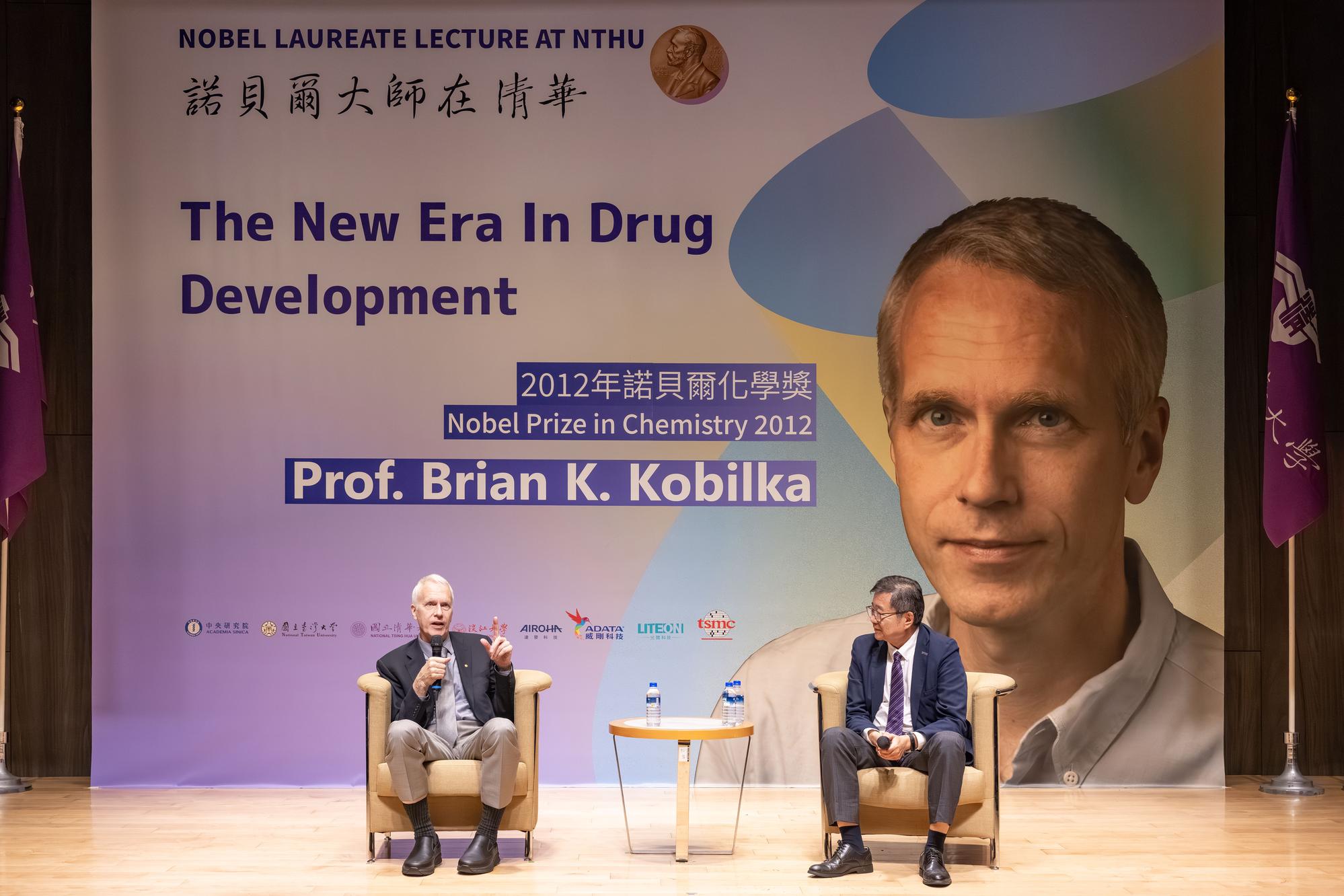
Professor Brian K. Kobilka (left) delivered his lecture on April 21, which was moderated by Vice President Ping-Chiang Lyu.
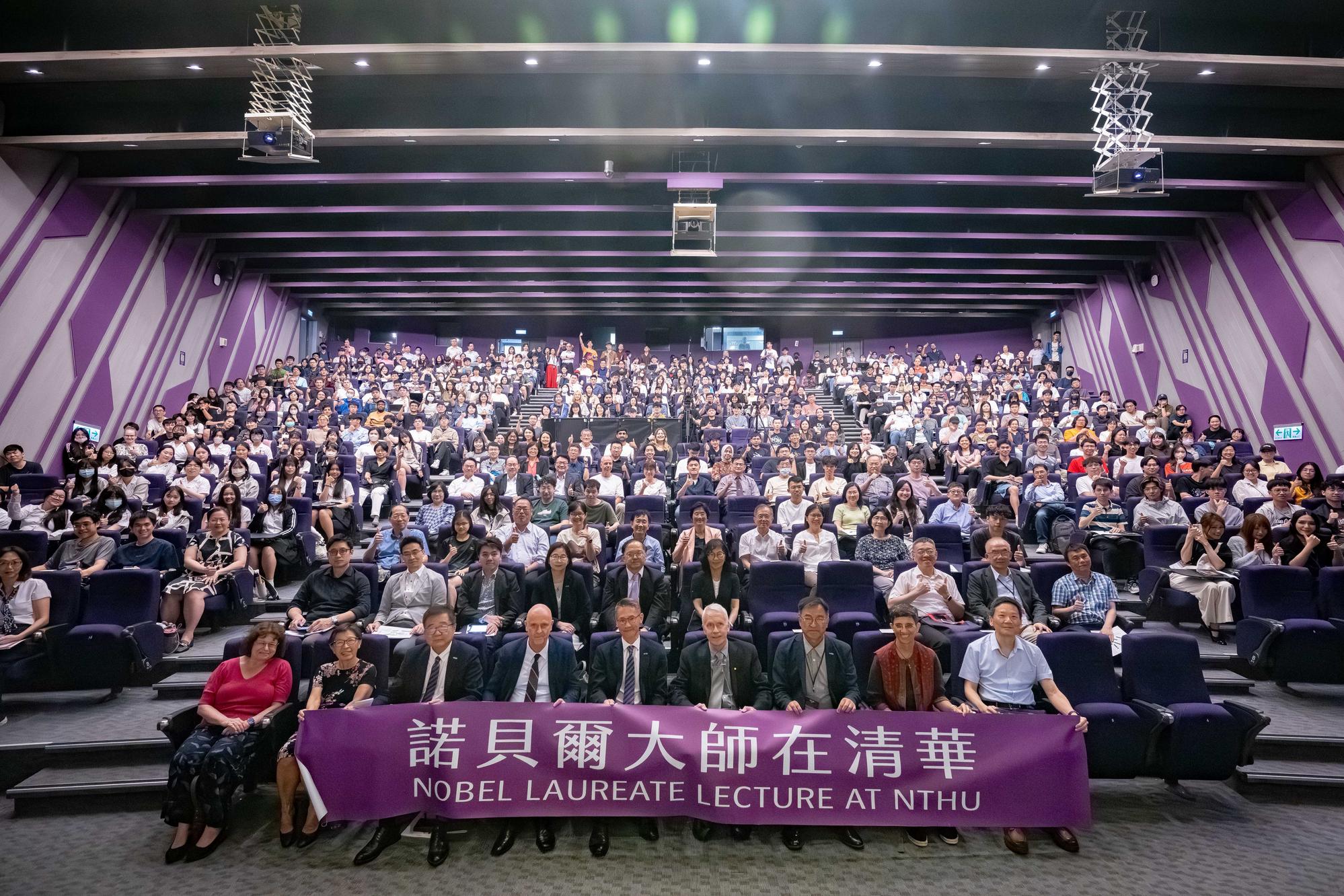
The “Nobel Laureate Lectures at NTHU” series attracted nearly 1,000 participants, with full attendance across sessions.
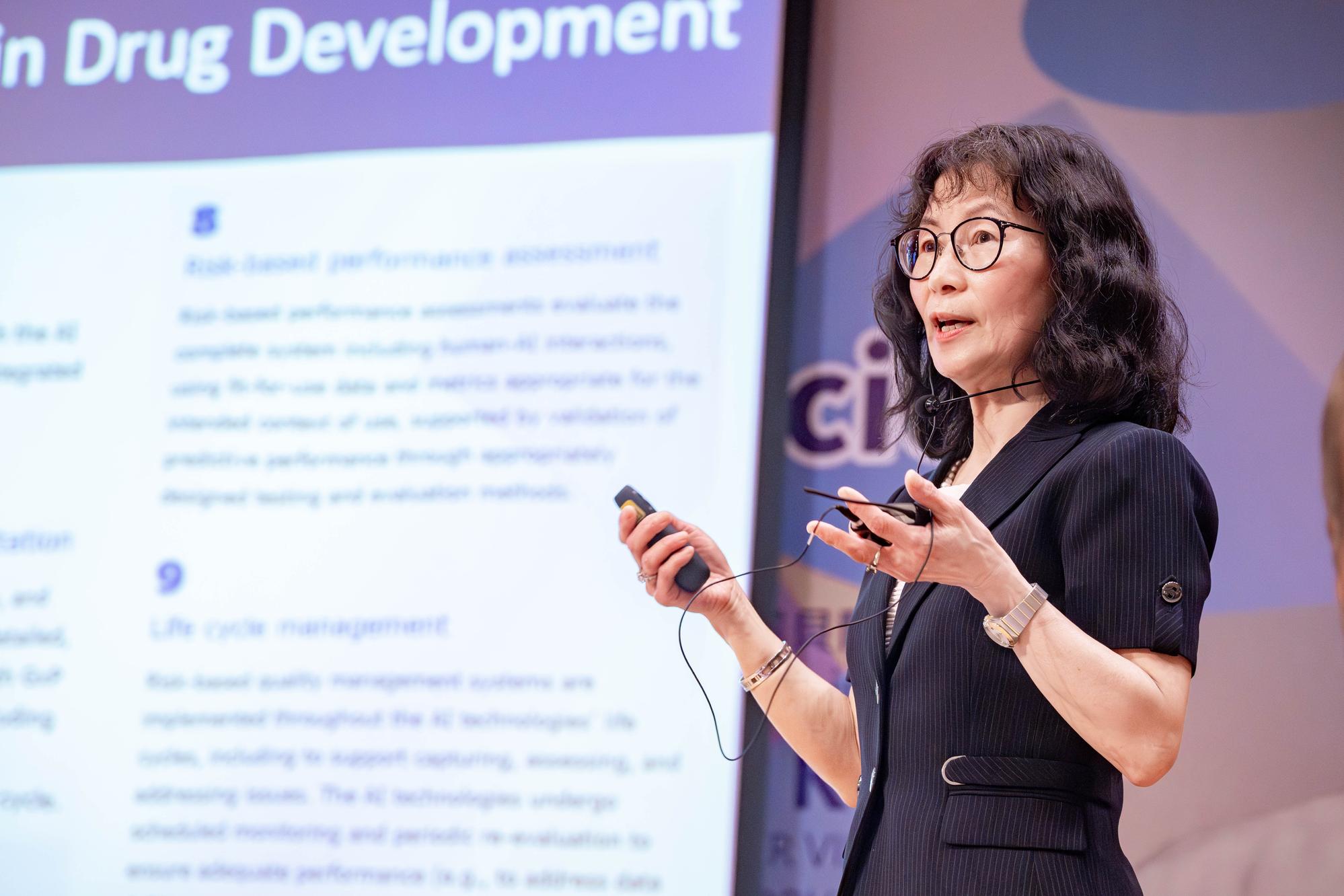
Dr. Yiu-Lian Fong, distinguished alumna of NTHU's College of Life Sciences and Medicine and Senior Scientific and Corporate Strategy Advisor at MiRXES, delivered a keynote speech at the forum.
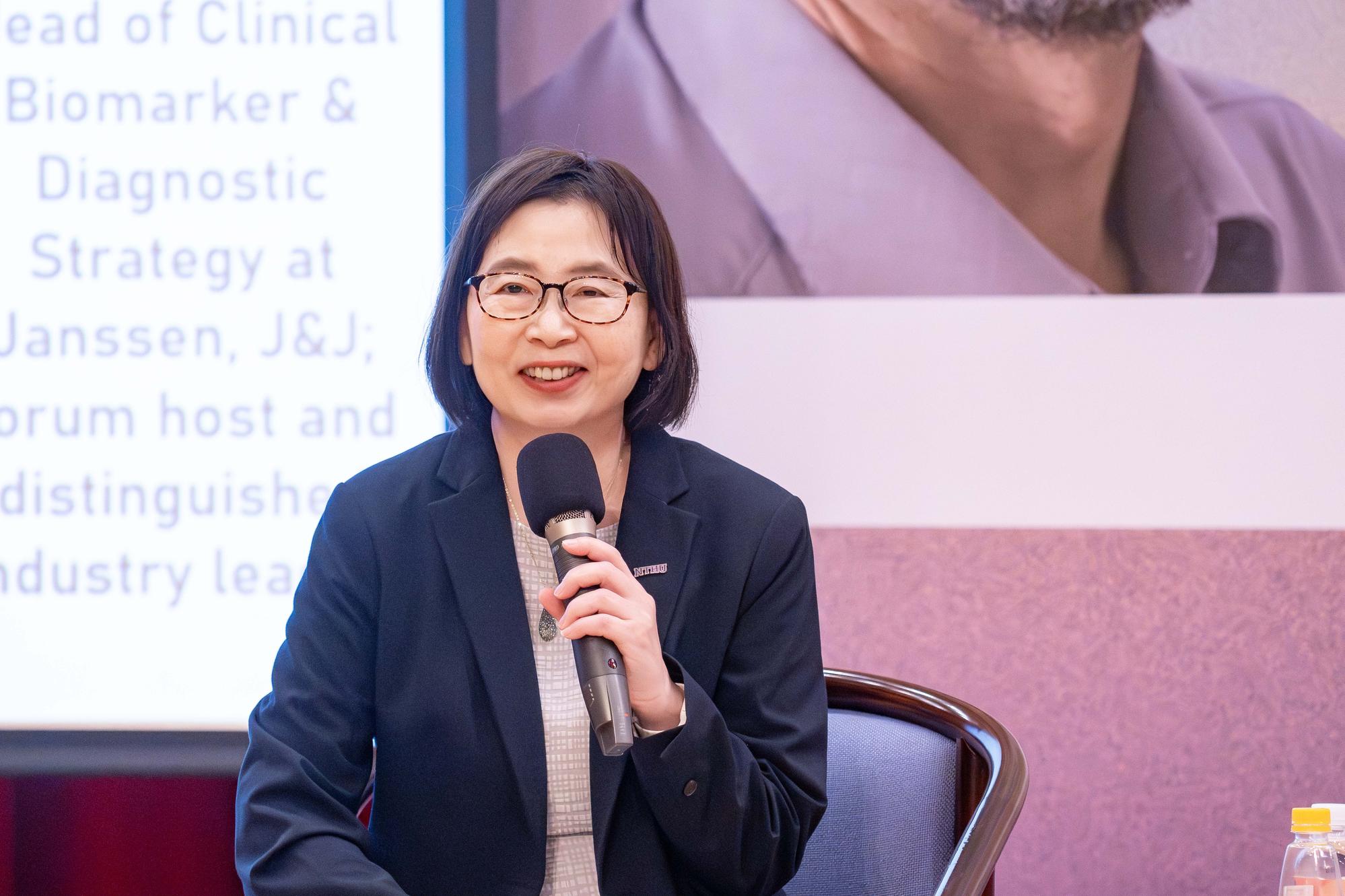
Dean Lin-Yi Chen expressed hope that the program would continue to foster interdisciplinary dialogue among academia, industry, and Nobel laureates.
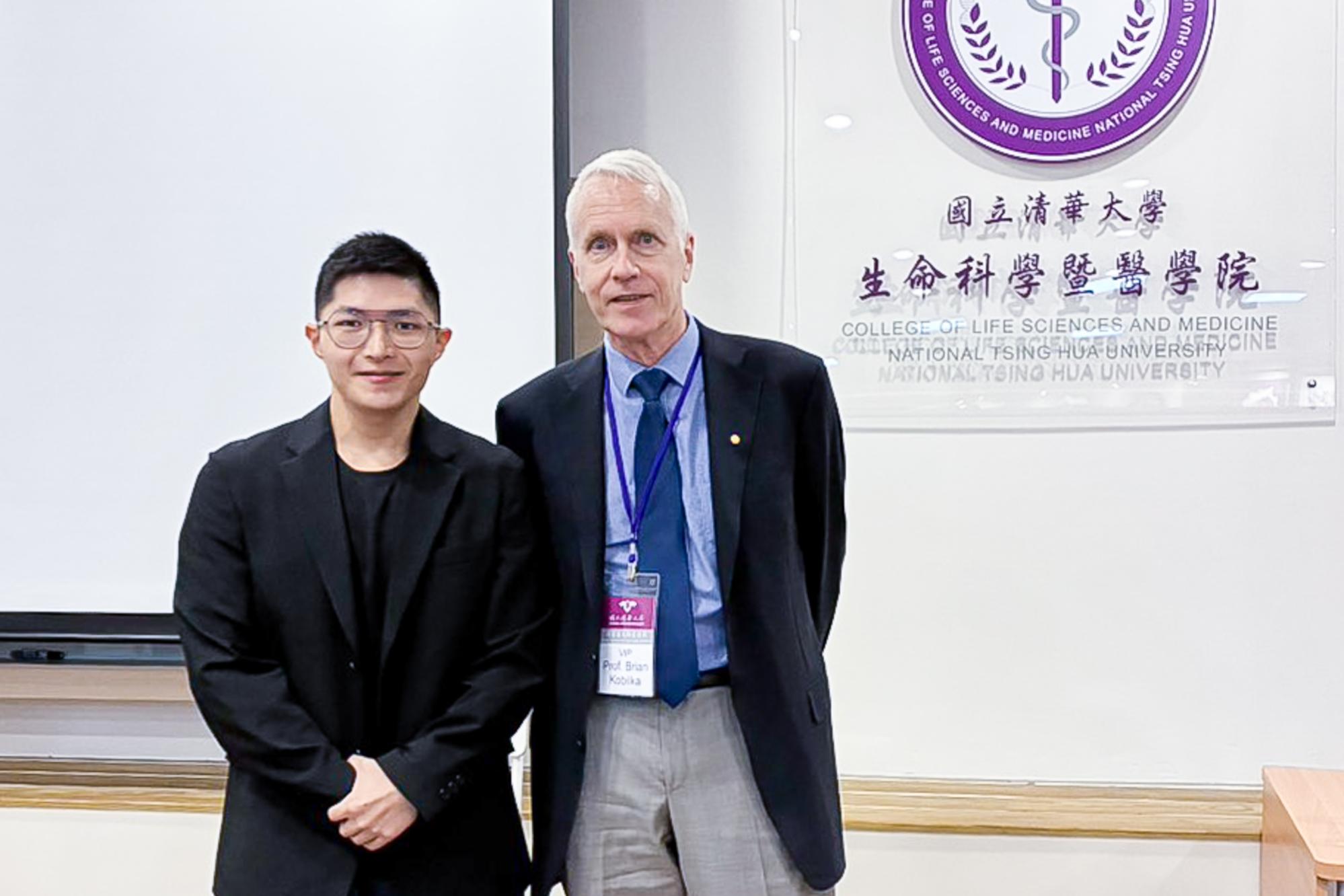
Professor Brian K. Kobilka (right) is pictured with NTHU student Dong Hsiang, who was selected as a student representative to engage directly with the Nobel laureate.
